
Protect Your Trees: Reasons to Consider Professional Elm Leaf Beetle Treatment

Trees are an important part of nature. They provide oxygen, shade and overall beauty to any space, from public parks to private properties. However, just like any other living creature, they are prone to illness and environmental damage.
One of the main issues affecting trees in both urban and natural areas is pests that feed on their nutrients, slowly causing damage and decay. In many parts of the world, leaf beetles can cause considerable damage to trees, making them unhealthy, weakening their structure and eventually causing them to die.
But don’t worry! If caught early, elm leaf beetle control is absolutely possible with the right treatments and professional intervention. Let’s explore some common warning signs of early tree damage and how to stop the problem from spreading before it’s too late.
What Are Elm Leaf Beetles?
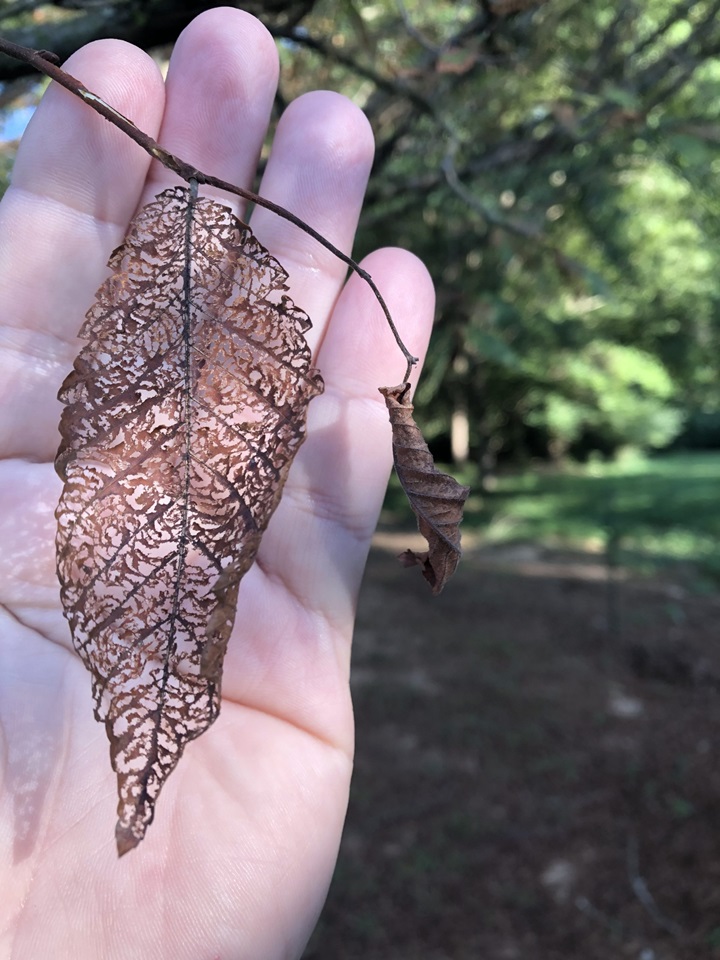
Elm leaf beetles are small insects that feed on the leaves of deciduous trees. Even though they only eat the leaves, they multiply quickly, and what starts as a few beetles can soon become hundreds. As their numbers grow, they can strip a tree of its foliage, weakening it and potentially leading to serious damage or even death if the infestation isn’t treated in time.
These beetles are commonly found in areas with plenty of elm trees, as these are their main food source. While there’s little you can do to stop them from reaching your property, acting quickly once you notice an infestation can help limit the damage. The key is to treat the problem before the tree loses too much of its foliage.
What Are the First Signs of Elm Leaf Beetle Damage?
Because elm leaf beetles are relatively small, spotting them or their larvae early can be tricky, especially since they tend to blend in with the colour of the leaves. However, the damage they cause is often easier to recognise. Keep an eye out for these common signs of an infestation:
- Skeletonised leaves: Small holes or a lacy, translucent appearance where larvae have eaten the green tissue between the leaf veins.
- Visible beetles or larvae: Striped adult beetles or dark, caterpillar-like larvae feeding on the undersides of leaves.
- Premature leaf drop: Browning, scorched-looking foliage that falls earlier than usual, rather than waiting for autumn.
What Does Elm Leaf Beetle Treatment Do?
Managing an elm leaf beetle infestation can be challenging because these insects follow a seasonal cycle. During most of the colder months, these beetles spend their time hiding in warmer spaces, such as woodpiles, homes and cars. Since their food sources are limited during this period, so are their opportunities to multiply. However, as spring arrives and leaves begin to grow on trees, they return to elm trees to feed and reproduce. If this cycle isn’t stopped in time, repeated infestations can cause significant damage over several seasons, weakening the tree and potentially leading to its death.
The goal of beetle treatments isn’t simply to eradicate the insects as quickly as possible. Instead, treatments aim to bring the infestation under control, stop the beetles from reproducing and prevent further damage to the foliage. This may involve targeting adult beetles and larvae, as well as checking the leaves for eggs to help limit the next generation.
How Professional Treatment Protects Your Trees
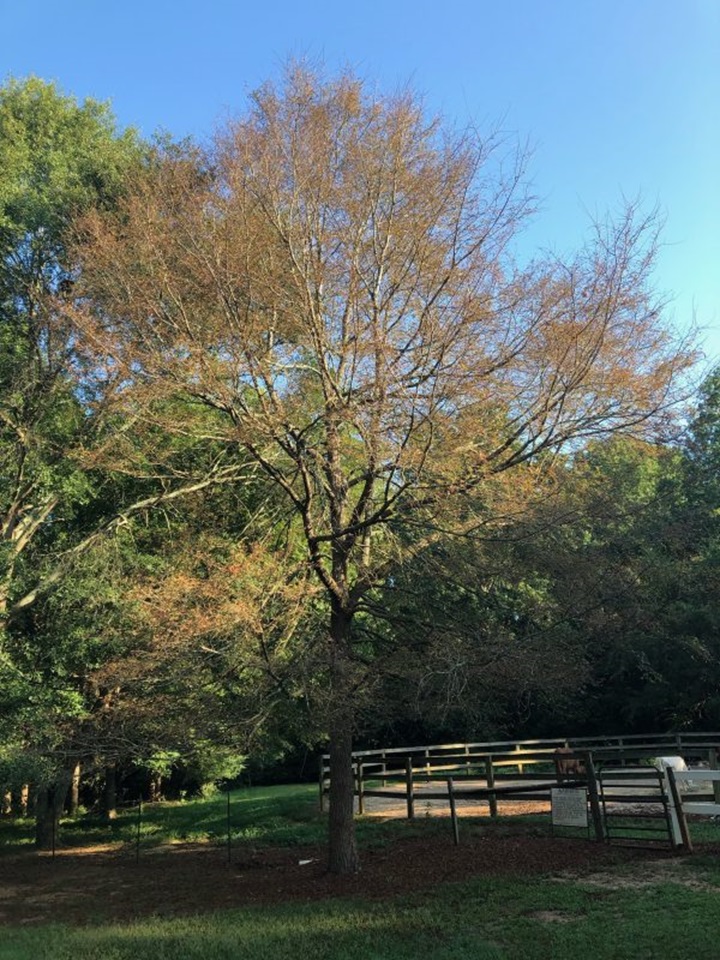
Managing tree infestations can be difficult without professional help, which is why it’s best to contact an arborist as soon as you notice damage to your tree’s leaves. One common approach to pest control is an Integrated Pest Management (IPM) system. This involves monitoring the tree, identifying the extent of the infestation, choosing the appropriate treatment and taking steps to prevent further damage.
Arborists first examine the tree and assess the beetle-caused damage. Based on the extent of the damage and how far the beetles and their larvae have spread, they determine the most appropriate course of action.
Once the tree has been examined, they usually move on to insecticide treatments, spraying the entire tree, from its branches to the bottom of the trunk, to prevent the pests from spreading further. The leaves are treated with particular care, as many eggs are often found on their undersides. If the infestation has become so severe that branches are dying or the tree is showing signs of decay, arborists may carefully remove the affected parts to make room for healthy new growth.
After treatment, follow-up visits help arborists monitor the tree’s recovery, check for signs of another infestation and determine whether any additional care is needed.
Final Thoughts
Maintaining healthy, thriving trees is key to creating a beautiful landscape. Even though tree diseases and decay are relatively common at some point in a tree’s lifecycle, elm leaf beetle infestations are possibly among the most damaging problems a tree can face. To prevent these pesky bugs from spreading further, professional elm leaf beetle control is always recommended. When in doubt, it’s always best to leave the treatment to experienced arborists.