
Baby Walkers: The Truth About Safety, Timing and Choosing One

Does your baby really need a walker to take those first steps? It’s a question plenty of parents ask once their little one is crawling and pulling up on everything in sight. Walkers can give babies a fun way to explore, build leg strength and keep busy while you get a few things done.
They do come with a few things worth knowing about first, so it helps to have the full picture before you decide whether you really need one.
Are Walkers Good for Babies?
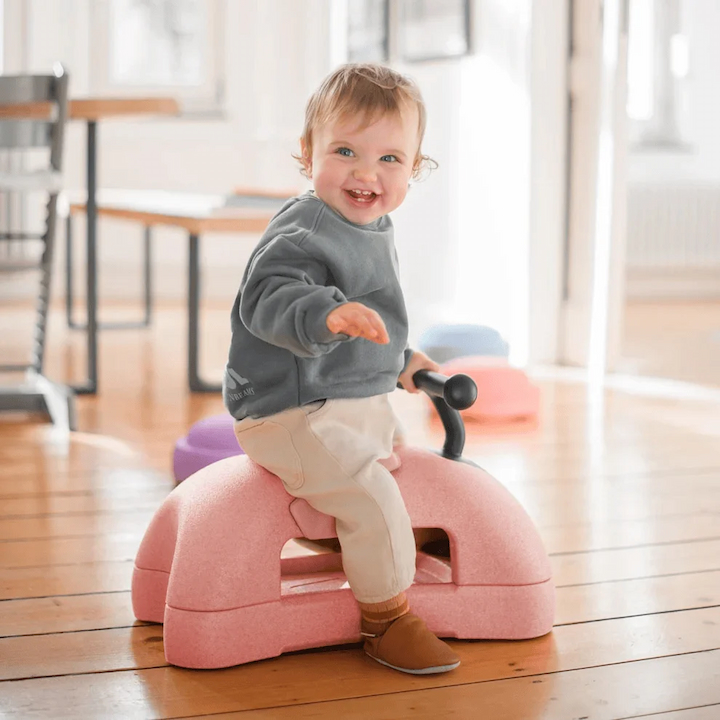
If your little one is crawling, it won’t be long before they take to those first wobbly steps. Most parents wonder if a walker gives bub a head start. Knowing how one can contribute to your baby’s development helps you decide whether it’s worth giving one a go.
Gets Them Moving Early
Babies are naturally curious and want to explore their environment long before their legs are ready to take them anywhere. Many parents find infant walkers with built-in toys and wheels take the edge off that frustration. Babies can push themselves along and head off on their room exploration mission.
Builds Leg Strength
A baby walker gives your little one something to hold on to. With one, they can take more steps than they would on their own. That works the leg muscles, so they often get stronger and steadier after a few weeks of practice. Those muscles are the same ones needed for standing and walking later on.
Keeps Bub Entertained
Walkers today have toys, lights and built-in sounds, so there’s always something to keep their senses busy. That colour and noise also keep curiosity high. It also keeps bub busy and happy for some time so you can eat or enjoy a cup of coffee while they do their thing.
Helps Hand-Eye Coordination
Reaching for toys, hitting buttons and spinning wheels gets those little hands and eyes working together. Your baby learns to grab, press and move things on purpose. That comes in handy later for feeding themselves and playing with other toys.
Now the Catch
Some child health groups in Australia don’t recommend infant walking toys. If your baby is lively and strong-willed, you can turn your back for a minute, and they might hurt themselves. In a walker, they can reach stairs, hot drinks and heavy things before you can react, and falls from stairs are the biggest worry. Still, if you think a walker is right for your baby, babyproof your house first.
Every baby is different, so take your time before you decide on a walker. Get informed on the safety guidelines, check what your child’s health nurse or GP reckons, and look into the different options before you make a purchase.
If you do go ahead with one, keep stairs blocked off with a gate, move hot drinks and heavy items out of reach, and stay close by when your baby is in it.
Signs Your Baby is Ready
Timing is everything with walkers. If you get your baby an activity walker too early, it can affect their posture, but getting it at the right time can be beneficial.
Most babies are ready between 6 and 12 months, with most babies getting there around 6 to 8 months. Still, it doesn’t mean your baby is late if they need a bit more time. Just look for the following signs:
- Sits without support for a few minutes
- Holds their head steady and looks around freely
- Pushes down with their feet when you hold them standing
- Shows interest in moving, like reaching or scooting
The Flat-Foot Rule
Before you buy any wheeled infant walkers out there, check that their little feet sit flat on the floor, not just on their tiptoes. If they’re up on their toes, the walker’s either too high, or they’re not quite ready yet.
Keep It Short and Supervised
Even when your baby ticks every box, keep walker time short and stay close the whole time. A few minutes here and there is plenty in the beginning.
What To Look for in an Infant Walker
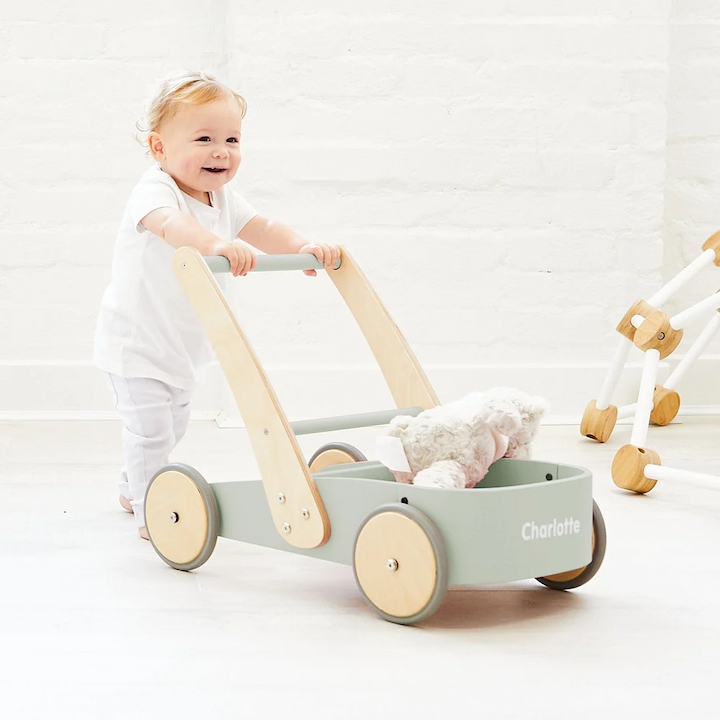
When you’re buying an infant walker for your baby, look for one that has at least three height settings so you can adjust it later. Their feet should sit flat on the floor, with knees bent at about 90 degrees. Too high and they’ll drag their toes; too low and they’ll slouch. Then, check the wheels too: swivel ones glide around furniture, and lockable ones stop sudden dashes toward the stairs.
Safety is very important here, so look for a wide, weighted base and give the walker a sideways push. If it wobbles or lifts, leave it on the shelf. A stair guard bar helps, but not all of them work, so check independent lab tests.
Infant walkers can be a fun way for a baby to explore, but best when the timing is right, and your eyes stay on them. Do your research, babyproof the house, and let your little one take those first steps at their own pace.