
Protect Your Hearing: What to Look for in Shooting Earmuffs

A day at the range or out in the field takes preparation, and protecting your hearing should be part of it. Gunfire produces intense impulse noise that can damage your hearing, sometimes after a single exposure. Good hearing protection helps reduce this risk, letting you focus on safe handling, communication, and your surroundings.
When choosing the right protection, look at noise reduction, comfort, fit, and durability. You’ll also want to consider whether passive or electronic models suit your needs and how well they work with your other equipment. A little research now can help you find a pair of earmuffs for shooting you’ll feel comfortable wearing throughout your session.
Understand Noise Reduction Ratings
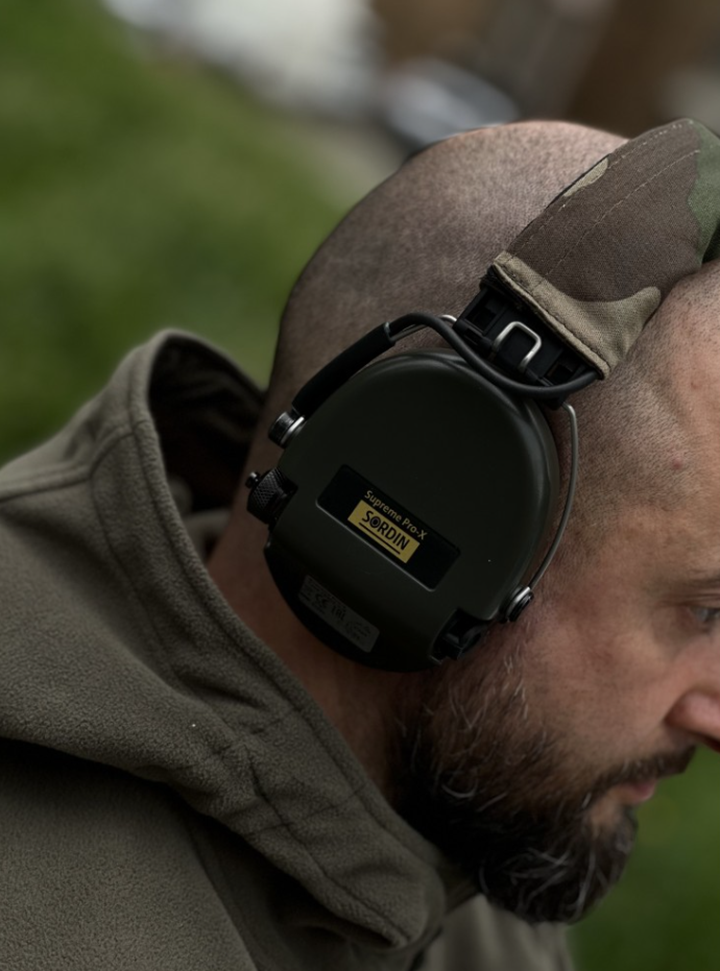
Noise reduction ratings give you a useful starting point when comparing hearing protection. You may see a Noise Reduction Rating (NRR) on products sold in markets that use this system, or an SLC80 rating on products intended for Australia. These ratings use different testing methods, so you shouldn’t compare their numbers directly.
Check the manufacturer’s specifications and look for products that meet the relevant Australian and New Zealand standards, including AS/NZS 1270 where applicable. The rating should suit your expected noise exposure, but remember that the number alone doesn’t tell you everything.
The fit of protective shooting earmuffs matters as much. Gaps around the ear cushions can reduce the protection you receive, even when the product has a high rating. Hair, glasses and other equipment can interfere with the seal, so consider how everything fits together.
When comparing shooting earmuffs, pay attention to three things:
- Noise attenuation: Check the published rating and the standard used to test the product.
- Your shooting environment: Choose protection suitable for the expected noise exposure.
- Additional protection: Properly fitted earplugs worn with earmuffs may provide extra attenuation when needed. Seek appropriate advice about the level of protection required.
Your goal is to find earmuffs suited to your circumstances, rather than simply choosing the highest number on the packaging.
Compare Passive and Electronic Models
Passive earmuffs use insulating materials and cushioned earcups to reduce noise. Their straightforward design makes them a practical option if you prefer simple equipment without batteries or electronic components. You’ll still need to check their rating and fit to ensure they suit your intended use.
Electronic models use microphones and sound-processing technology to make certain quieter sounds easier to hear while reducing or limiting loud noise, depending on the design. This can be useful when you need to communicate with others or remain aware of sounds around you.
Before buying an electronic model, check how its sound-control features work. Some offer adjustable volume, while others include additional listening modes. Battery life, controls and replacement options are also worth considering.
Electronic features don’t eliminate the risk of hearing damage, so always follow the manufacturer’s instructions and use the appropriate settings for your environment.
Think about what matters most during your sessions. If you want straightforward operation, passive protection may suit you. If communication is a priority, electronic earmuffs may offer greater convenience.
Find a Comfortable, Secure Fit
Even highly rated hearing protection can fall short if you don’t wear it correctly. Comfort matters because you need to keep your earmuffs in place throughout your noise exposure, rather than lifting them whenever they become irritating.
Start with the headband. It should hold the earcups securely without pressing uncomfortably against your head. An adjustable band makes it easier to find the right position, while padding can improve comfort during longer sessions.
Next, check the ear cushions. They should surround your ears and form a continuous seal against your head. Thick glasses arms, trapped hair or poorly positioned cushions can create gaps and reduce protection.
If you wear glasses, try the earmuffs with them before buying. Move your head naturally and check that the cushions maintain contact around your ears. You should also consider the weight and bulk of the design, particularly if you wear other protective equipment.
A secure fit should feel comfortable without compromising the seal. If you can, try several models before deciding.
Check Durability and Practical Features

Outdoor use can expose your equipment to dust, moisture, temperature and plenty of packing and unpacking. Check the construction before buying so your hearing protection can handle your usual conditions.
Look for sturdy earcups, a reliable headband and cushions that stay securely in place. Replaceable cushions are particularly useful because the sealing material can wear down with regular use. Replacing worn components can also help extend the product’s useful life.
If you choose electronic earmuffs, check the battery type, expected battery life and ease of access to the controls. Simple buttons can make adjustments more convenient, especially when you wear gloves. If you expect wet conditions, check the manufacturer’s stated weather-resistance rating rather than assuming the product can handle rain.
A few practical extras may also come in handy:
- Folding earcups: Make packing and storage easier.
- Replaceable cushions: Help you maintain comfort and a reliable seal.
- Easy-to-use controls: Make adjustments more convenient in the field.
- A storage case or bag: Helps keep your equipment clean between sessions.
Focus on features you’ll genuinely use. A well-made, straightforward design may serve you better than a model packed with extras you rarely need.
Match the Product to Your Requirements
Before making your choice, consider how often you’ll use your earmuffs, where you’ll wear them and what other equipment you need. These details will help you narrow your options and spend your money wisely.
For occasional range visits, you might prefer a simple model with suitable noise attenuation and a comfortable fit. Frequent use makes durability and replaceable cushions more important. If you need to communicate with other people, electronic features may be worth the investment.
Think about compatibility, too. Safety glasses, helmets and other protective gear can affect how the earcups sit against your head. Check that your equipment works together without compromising the seal.
When comparing earmuffs for shooting, prioritise suitable noise protection, a secure fit and lasting comfort. Then consider useful extras and your budget. A lower price won’t be much of a saving if the earmuffs fit poorly or fail to provide the protection you need.
Finally, read the manufacturer’s guidance on fitting, cleaning, storage and maintenance. Inspect the cushions and headband regularly, replace worn or damaged parts as recommended, and seek professional advice if you’re unsure about the level of protection your environment requires.