
Electric Utility Vehicles 101: Reasons to Implement Them in Your Warehouse

One of the biggest shifts happening across Australian warehouses and worksites right now is the move away from petrol and diesel machinery towards electric alternatives, with electric utility vehicles leading the charge. These vehicles are essentially compact, battery-powered machines built to move goods, people and equipment around a site without the emissions or the noise that comes with a combustion engine.
Types of Electric Utility Vehicles
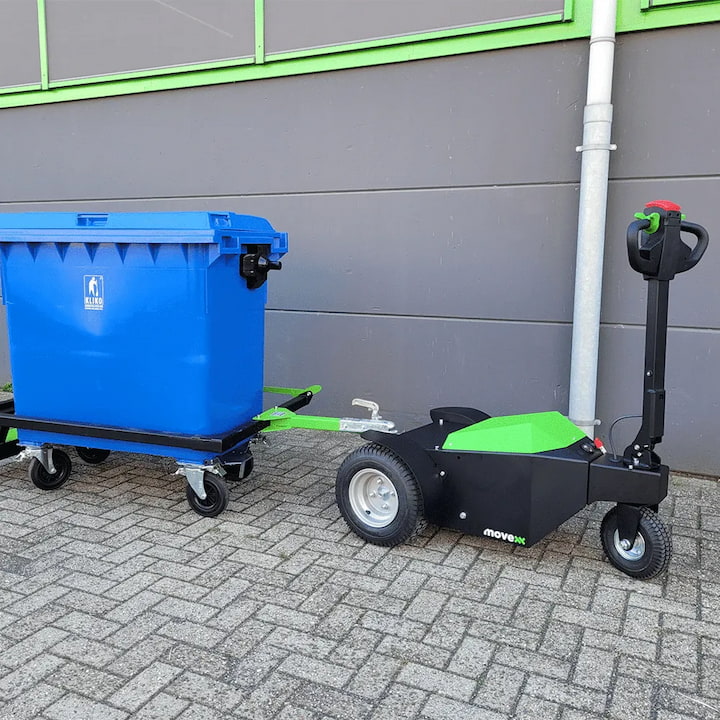
Before choosing the right electric utility vehicle for your needs, here are a few types you should consider:
Cargo
Cargo electric utility vehicles are designed with load-carrying as the main priority, typically featuring a flatbed or tray at the rear for stock boxes and spare parts. These are common in larger warehouses since a cargo vehicle lets staff move goods between zones far more quickly than pushing a trolley, and the tray size can usually be adjusted depending on what’s being transported.
Heavy-Duty
Heavy-duty models handle the most demanding tasks on site, with reinforced chassis and stronger motors that can tow trailers or carry heavier loads than standard cargo vehicles. As you’d expect, heavy-duty electric utility vehicles for sale come at a higher price point, but the extra power and towing capacity mean fewer trips overall.
Passenger Carrier
Passenger carrier EUVs move people rather than goods, making them ideal for large sites where staff need to travel between buildings, loading docks or car parks. Seating typically ranges from two to six people, and while cargo space is more limited on these models, the comfort and speed on offer suit supervisors doing site inspections.
Specialised
Specialised electric utility vehicles are built for a specific task rather than general use, ranging from tow tractors to platform trucks or mobile workstations. While purpose-built engineering makes them more expensive, they solve problems a standard cargo or passenger model simply can’t.
How to Choose an Electric Utility Vehicle
Range
Range refers to how far an EUV can travel on a single charge, and it’s one of the first specs worth checking since it affects how much ground your team can cover in a shift. Just like a larger battery can power your camping adventure for longer, you can also get a longer range on your EUV. Larger warehouses will typically need a longer range, while smaller facilities can get away with a more modest battery.
Suspension
Suspension quality impacts driver comfort and the safe transport of goods, particularly on sites with uneven flooring or outdoor paths between buildings. A softer setup helps reduce the risk of damaging fragile cargo, while a firmer setup suits heavier, more stable loads better.
Cargo Size
Cargo size refers to how much a vehicle’s tray can hold, which should be measured against the largest or most awkward loads your warehouse regularly handles. Choosing a tray that’s too small means more trips and less efficiency, while going oversized wastes both space and battery life unnecessarily.
Power & Torque
Power and torque determine how well an electric utility vehicle handles inclines, heavy loads and quick acceleration around tight corners. Electric motors paired with a four-wheel drive powertrain tend to deliver strong torque from a standstill, which is a genuine advantage over petrol-powered alternatives, so checking torque figures matters just as much as top speed.
Seats
Seating capacity matters most for passenger carrier and multi-purpose models, ranging from a single seat on compact cargo units up to six or more on larger people-movers. If your team regularly needs to transport several staff at once, a higher seat count saves on trips, whereas a single-seat cargo vehicle is usually more efficient for solo tasks.
Speed
Top speed affects how quickly an electric utility vehicle can move between points on a large site, though most indoor facilities enforce speed limits for safety anyway. Higher speeds suit outdoor routes or larger campuses, whereas indoor operations rarely need anything beyond a modest rating.
Benefits of Electric Utility Vehicles
Cost
Running costs are typically much lower for an EUV than for a petrol or diesel equivalent, since electricity is cheaper than fuel and electric motors need far less maintenance overall. There’s no oil to change and fewer moving parts to wear out, which is why many businesses searching for electric utility vehicles for sale find the upfront cost is offset fairly quickly.
Sustainability
Sustainability is a major drawcard, since electric utility vehicles produce zero tailpipe emissions and help reduce a warehouse’s overall carbon footprint compared to a fleet of combustion vehicles. As Australian businesses work toward sustainability targets, switching to electric utility vehicles makes measurable progress a lot easier.
Comfort
Comfort is often underrated, but electric motors run far smoother than combustion engines, which means less vibration and a noticeably steadier ride for whoever’s driving. This helps reduce driver fatigue over longer shifts, especially on vehicles used constantly throughout the day for cargo runs or passenger transport.
Noise
Noise levels are significantly lower on an EUV, which makes communication easier between staff on the warehouse floor and reduces overall noise pollution across the site. This is particularly valuable when managing facilities that operate close to residential areas or run extended hours, since a quieter fleet helps keep noise complaints to a minimum.