
A Simple Guide to Choosing a Dog Carrier When Travelling

Having a dog means unconditional love, happiness and companionship like no one else’s. It’s one of those animals that offers deep emotional support, lowered stress and improved health, so yeah, having one is really worth it. But just like humans, dogs also have their own needs, and some of them are dog carriers.
How to Choose the Right Dog Carrier
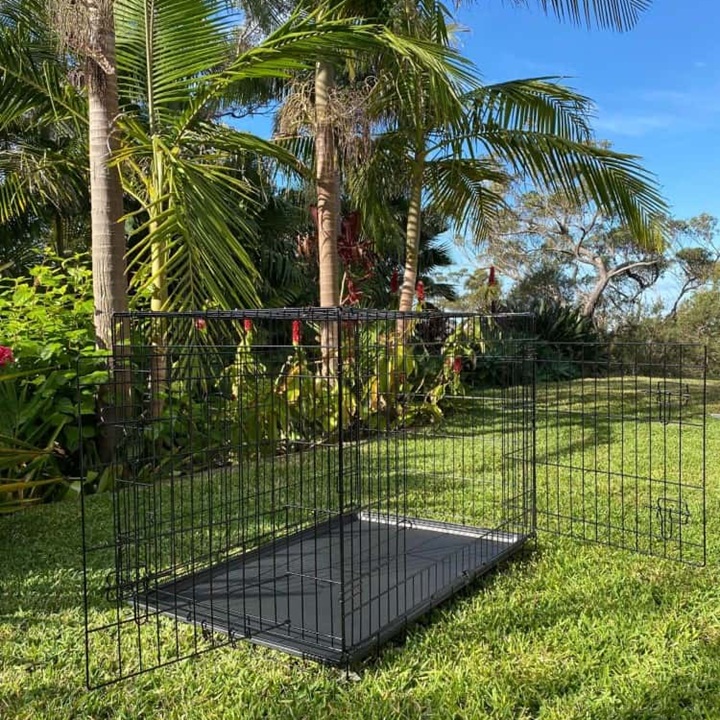
Given that durable and pet friendly dog carriers ensure safety, provide comfort, and prevent dangerous distractions, choosing the right one for your dog is crucial, since not all of them are made the same. The choice of these crates is huge, ranging not only in size, but also in material, shape and appearance, so considering everything is essential to make the right choice.
Size
As one of the most important dog essentials, the dog carrier should be chosen based on your dog’s size. Measuring your dog from the tip of its nose to the base of its tail, as well as its height from the floor to the top of its head, is necessary to determine its size. In order to choose the right crate size, you should add 5-10cm to both its length and height.
Generally speaking, your furry friend should be able to stand up freely inside the carrier and fit through the door without a problem. It should also feel comfortable and free when sitting in it, and also when lying down, it should be able to extend its limbs fully.
Your dog needs enough room to stand, turn around, and lie down comfortably in the crate. If the crate is too small, your dog may feel stressed or trapped and resist crate training.
Style
Soft-Sided
These carriers are popular for transporting smaller dogs. Just like any other carriers, these also have mesh side panels that you can unzip to increase ventilation. Depending on the model you choose, some of them can even have foldable flaps to increase space.
Hard-Sided
As the name suggests, these carriers have a hard side and durable construction. They are perfect for larger dogs, and the great benefit of theirs is that they can’t be easily damaged or smashed by suitcases and boxes. They also cannot be smashed when in tight spaces, and they’re the most preferred choice even by dog owners of smaller dogs. They somehow seem safer to most people.
Wheeled Carriers
These carriers come with wheels and are the perfect solution when moving through an airport crowd. According to manufacturers, these carriers keep the dog more stable and comfortable, making it the perfect solution for those that suffer from anxiety.
Other Factors to Consider
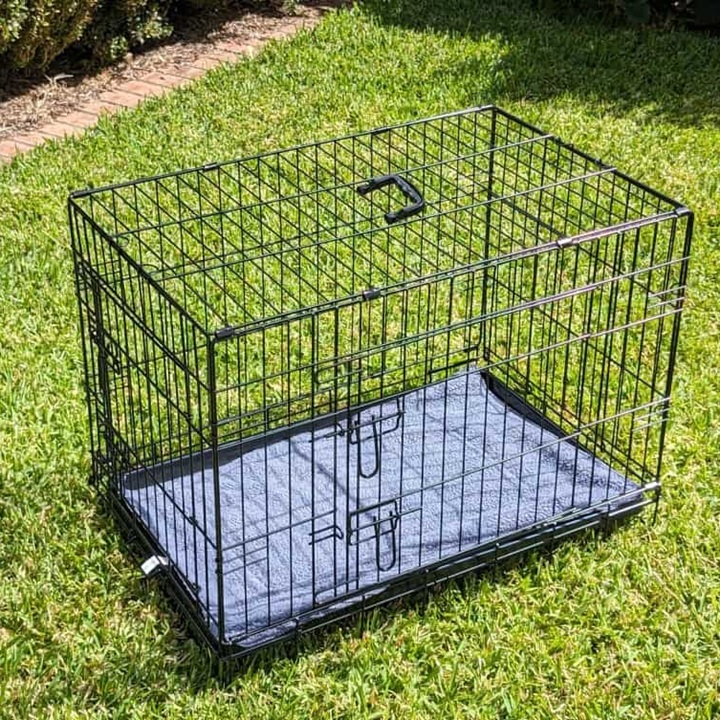
Cargo Regulations
- The chosen crate should have a leak-proof bottom that’s either designed to contain spills or lined with an absorbent material.
- Bones, toys or anything that can pose a choking hazard isn’t allowed when travelling.
- When travelling by aeroplane, the top of the crate should have your pet’s name and your contact information.
- Depending on the airline, you might be asked to attach additional paperwork to the crate.
- You must remove the wheels from a wheeled crate when travelling by air.
- Food and water bowls must be securely attached inside the crate.
In-Cabin Regulations
- If you’re travelling with a small dog inside the cabin, you should equip yourself with a soft-sided carrier, because most airlines allow it if the dog is up to 50cm in length and 6 – 9kg.
- Just like travelling in hard-sided carriers, your dog should also be able to stand up and turn easily inside the soft-sided carrier.
The truth is that each airline has different rules, so if travelling by aeroplane, it’s best to check the airline’s regulations in order to have the right things and documents. Otherwise, you might not be allowed to get on the plane.
How Long Can a Dog Stay in a Carrier?
If you have chosen a crate that fits its size, height and weight, then you can leave a healthy dog up to 6 or 8 hours. Senior dogs, puppies and smaller breeds may stay up to 3 hours without a break for water, bathroom, or stretching. However, if the crate is of the right size, the dog can stretch inside without a problem. But just like with anything else, make sure to consult with the chosen airline, since different airlines can have different regulations and requirements, this goes not only for crate size and style, but also for health documentation or vaccines, to be more precise. There are also different rules for international and domestic flights, so make sure to check them out.