
3 Person Tents: How to Choose the Right Shelter for Your Next Adventure

A good tent gives you somewhere reliable to return to after a day outdoors. A three-person design can strike a practical balance between capacity and packability, making it a useful choice for couples, small groups and solo campers who carry additional gear. However, the number of people a tent accommodates only tells you so much. Weight, weather protection, ventilation, durability and ease of setup can all affect how well a shelter performs in the outdoors. By considering these details alongside your camping style, you can choose a tent that works for the journeys you actually want to take.
Is This Tent Right for Your Trip?
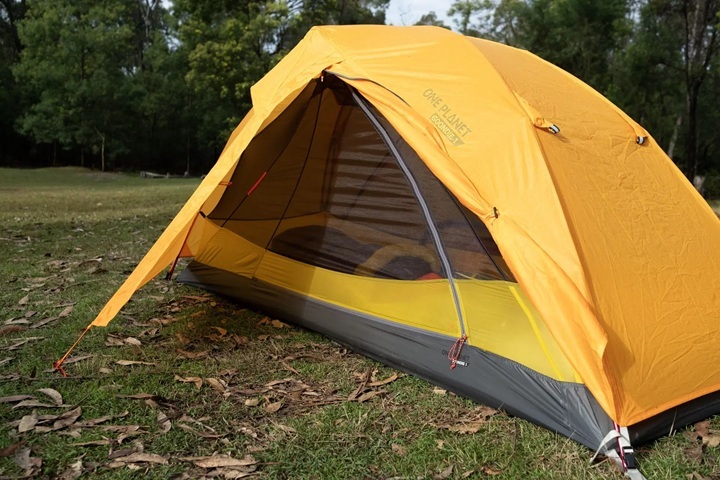
All spacious 3 person tents suit a variety of camping arrangements. Two people can use the additional capacity for equipment, while three campers can share the shelter on shorter trips. Solo campers may also prefer a larger design when they need somewhere to organise their gear.
Start with the number of people who will use the tent most often. If three people regularly share it, check the floor dimensions, door configuration and storage areas rather than relying solely on the capacity rating. Sleeping bags, backpacks and other equipment can quickly take up the available floor area.
For two people, a three-person model can provide useful flexibility. You may have enough room to keep essential items organised inside, particularly when weather conditions prevent you from leaving equipment outside.
Your destination should influence the decision, too. A tent for established campsites gives you more freedom to prioritise features such as generous interiors and convenient storage. For multi-day hikes, you will place greater importance on a lightweight construction and compact packed size.
Consider your usual trips, but keep future adventures in mind as well. A versatile shelter can remain useful as your camping experience develops.
Consider Weight and Packability
Once you have carried a loaded backpack for several hours, every part of your kit becomes noticeable. Your tent can account for a significant portion of your overall load, so check both its weight and packed dimensions before making a decision.
A compact packed size leaves more room for your sleeping bag, clothing, food and other essentials. It can also make your backpack easier to organise, particularly when you need quick access to equipment during a hike.
Your transport method will help determine how much weight matters. If you normally drive to your campsite, you can afford to give more attention to features and construction. If you walk several kilometres to reach camp, a lighter shelter can make a considerable difference to the journey.
Sharing the load can help, too. When two people travel together, you can divide components such as poles and the tent body between your packs rather than asking one person to carry everything.
Pay attention to the packed dimensions and weight. A tent that weighs little but takes up an awkward amount of space can still prove difficult to carry alongside the rest of your equipment.
Look for Reliable Weather Protection
Outdoor conditions can change quickly, particularly when you are camping in exposed or remote areas. Your shelter should provide dependable protection against the weather you are likely to encounter.
Start with the fly and floor. A well-designed fly helps direct rain away from the inner tent, while a durable floor creates a barrier between your sleeping area and damp ground.
Wind resistance also deserves attention. A stable structure, secure pole system and dependable guy points can help keep the tent firmly in place when conditions become challenging. If you regularly camp in exposed locations, look for construction suited to those environments.
Consider the climate and terrain of your destinations. A tent for sheltered summer campsites may have different priorities from one intended for longer trips through changeable conditions.
Durability matters here as well. Strong materials and solid construction can help your shelter withstand repeated pitching, packing and exposure to the elements. At the same time, choose a level of construction that makes sense for your intended use rather than unnecessary weight.
Don’t Overlook Ventilation and Liveability
Airflow plays an important role inside a tent, particularly when several people share the same shelter. Good ventilation can help regulate the interior environment and reduce condensation.
Look for features such as mesh panels, adjustable vents and doors that allow you to control airflow. You can increase ventilation during warmer weather and adjust the openings when temperatures fall.
The internal layout also deserves attention. Consider how easily you can sit up, change clothes and organise your belongings. A well-planned interior can make a noticeable difference during evenings spent inside, particularly when poor weather keeps you at camp.
Storage is another practical feature worth checking. A vestibule can provide a covered place for footwear and equipment, helping you keep the sleeping area organised. Internal pockets give smaller essentials a designated spot rather than leaving them loose around the tent.
Access matters when you share a shelter. Well-positioned doors can make it easier for everyone to enter and leave without unnecessarily disturbing the rest of the group.
Choose a Tent Built for Your Adventures
Once you have considered capacity, weight and weather protection, look at how the tent fits into your wider camping routine. A good 3-person camping tent should be straightforward to carry, pitch and pack away.
Setup becomes particularly important after a long day outdoors. Look for a clear pole system and practical attachment points that allow you to pitch the shelter without unnecessary complications. Practising at home before your first trip can also help you become familiar with the process.
Then examine the construction. Check the quality of the poles, stitching, zips, seams and connection points. These components experience repeated handling and exposure to outdoor conditions, so dependable construction can help extend the useful life of your shelter.
Think about maintenance, too. A tent needs to dry properly after wet trips and should be packed away clean and dry whenever possible. Taking care of your equipment can help it perform reliably across many seasons.
Finally, consider where your camping plans might take you. You may currently favour established campsites but have longer hikes or more remote trips in mind. A versatile 3-person camping tent can adapt to different types of adventures as your interests change.
Before choosing, ask yourself:
- How many people will usually use the tent?
- How far will you carry it?
- What weather conditions are likely?
- How much gear needs to be stored?
- How important are quick setup and compact packing?
These questions can help you focus on the features that will make the greatest difference to your trips.
Choose Your Shelter With the Whole Trip in Mind
Choosing a tent involves more than checking how many people can sleep inside. Consider your route, transport, climate and camping habits, then compare the features that support those needs. Weight, packed size, weather resistance, ventilation, storage and setup can all influence your experience outdoors.
For many campers, 3-person tents offer a practical combination of capacity and portability. They can suit couples who want room for equipment, small groups on shorter trips and solo campers who value versatility.
Take the time to compare the construction and features rather than choosing based on capacity alone. A well-suited tent should be easy to transport, straightforward to pitch and dependable in the conditions you expect to encounter. With the right shelter packed in your kit, you can concentrate on the trail, the campsite and the adventure ahead.