
Stretch Film Unwrapped: Reasons to Use It for Your Packaging Needs

If you’ve ever received a delivery or watched goods being loaded onto a truck, you’ve probably seen stretch film in action, even if you didn’t know its name. This thin, flexible plastic stretch wrap is a staple of packaging and logistics, quietly keeping products safe and secure as they make their way from warehouses to homes and businesses.
But stretch wrap film isn’t just for big companies; it’s also used by small businesses, retailers, and even individuals looking for a reliable way to bundle and protect items. Understanding how stretch film wrap works and why it’s so widely used can help anyone make smarter choices about packaging, storage, and shipping.
What Is Stretch Film?
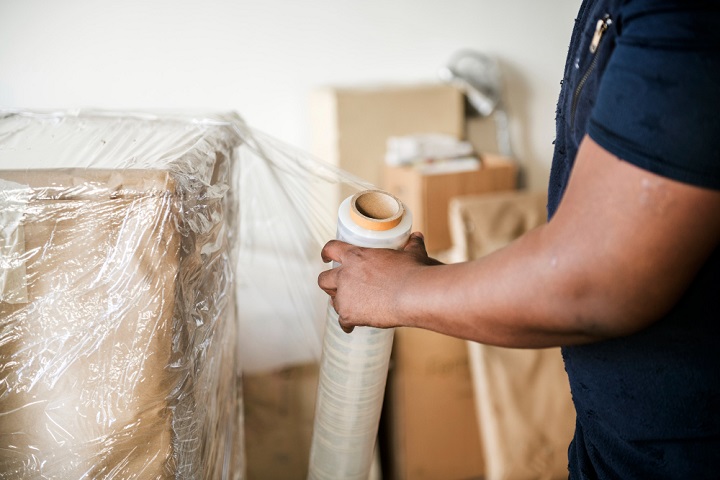
Stretch film is a plastic wrap designed to stretch and cling tightly to objects, creating a secure hold without the need for adhesives or fasteners. It’s manufactured through a process called extrusion, where melted plastic is shaped into thin sheets and then rolled up for use.
Its main job is to keep items together on a pallet or in a bundle, preventing movement, dust, and moisture from causing damage during transport or storage. The magic of it lies in its ability to stretch up to several times its original length, then snap back to form a tight, protective layer around whatever it covers.
Why Stretch Film Stands Out in Packaging?
For starters, it’s cost-effective. A single roll can cover a surprising amount of goods, and its lightweight nature means it doesn’t add much to shipping costs. Another reason to buy stretch film is that it’s incredibly versatile, adapting to all shapes and sizes, from boxes stacked high on a pallet to awkwardly shaped furniture.
Compared to other packaging materials, like strapping, shrink wrap, or bulky boxes, it’s easier to use and creates less waste. It clings tightly without leaving sticky residue, and it’s quick to apply by hand or with a machine.
One of its standout features is the ability to protect goods from dust, dirt, and moisture. When wrapped correctly, it forms a barrier that keeps out the elements, making it ideal for storing goods in warehouses or shipping them long distances. Stretch film also helps prevent tampering, as any attempt to remove the wrap is immediately obvious.
Stretch film isn’t just about keeping things together, it’s about peace of mind. Knowing your goods are secure, clean, and protected makes every step of the supply chain smoother and more reliable.
Exploring the Different Types
There are several types to choose from, each designed for specific uses and environments. Hand stretch film is perfect for smaller operations or irregular loads, easily applied without special equipment. Machine stretch film, on the other hand, is used in larger-scale settings where speed and consistency are key; it works with automated wrappers to cover pallets quickly and tightly.
Specialty options are also available, offering features like extra strength, UV protection for outdoor storage, or anti-static properties for sensitive electronics.
Most stretch films are made from linear low-density polyethylene (LLDPE), a plastic known for its flexibility and strength. Some options now include recycled content or are designed to be more environmentally friendly, appealing to businesses looking to reduce their footprint.
Having all the different types for different occasions is exactly why getting your own stretch film solution can make all the difference for your packaging needs, whether you’re shipping products across the country or just moving house.
When Stretch Film Isn’t the Only Answer
While stretch film is a fantastic all-rounder, it’s not the only packaging option out there. In some cases, other materials might be a better fit. For example, if you’re dealing with extremely heavy loads or items with sharp corners, strapping or reinforced wrapping might offer extra support. For products that need to be completely sealed or protected from tampering, shrink wrap or heat-sealed bags could be the way to go.
There are also options for those who want to avoid plastic altogether, such as reusable fabric wraps or biodegradable films. Each solution has its strengths and best-use scenarios, but for most everyday packaging needs, stretch film remains the go-to choice for its balance of convenience, cost, and effectiveness.
Handy Tips

Getting the most out of stretch film is all about choosing the right type and using it properly. Here are a few tips to help you get started:
- Choose the right thickness and width for your load. Thicker film offers more protection, while wider rolls cover more area with each pass.
- For manual wrapping, use a dispenser to reduce strain and ensure even tension.
- When using a machine, make sure it’s set up correctly to avoid waste and ensure a tight wrap.
- Store your stretch film in a cool, dry place to maintain its flexibility and strength.
- Don’t be afraid to double-wrap or use corner protectors for sharp or heavy items.
- To get the best results with stretch film, it’s important to use the right technique. Start by anchoring the film to the base of your load, then wrap upward in overlapping layers, pulling the film tight as you go.
By following these simple steps, you’ll get better results, save money, and keep your goods safer during storage and transport.
To Sum Up
Stretch film has earned its place as a packaging essential thanks to its strength, versatility, and ease of use. Whether you’re a business that ships products across the country or simply looking for a reliable way to keep things together, it offers a solution that’s hard to beat. Its ability to protect, bundle, and secure goods makes it an everyday hero in warehouses, shops, and homes alike.