
Sheetmetal Guillotines: Cut Through The Toughest Materials With Ease

Guillotine sheetmetal cutting machines are vital tools in workshops and manufacturing environments where clean, accurate cuts are essential. Whether you’re working on steel panels, aluminium sheets or construction materials, the right guillotine can make a significant difference in precision and productivity. It might not be as advanced as a plasma cutter, but the dependability and straightforward design of a guillotine make it a go-to machine for consistent results. When selecting a sheetmetal guillotine, it’s crucial to understand the different types available and key features that ensure hassle-free cutting performance.
Types of Sheetmetal Guillotines
Hydraulic
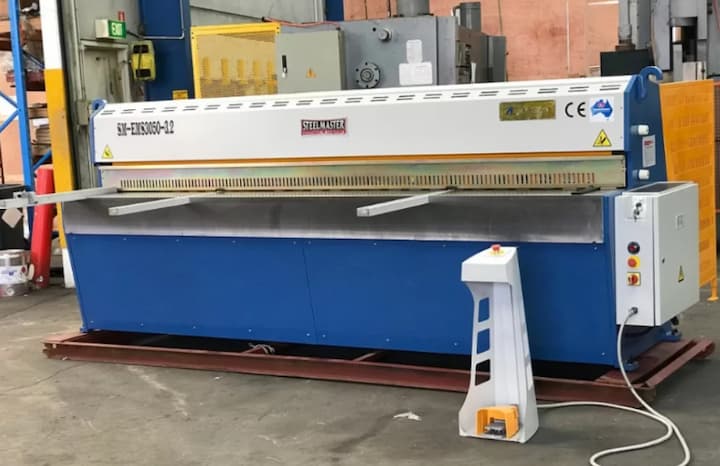
Hydraulic guillotines are among the most common and powerful models available. They use hydraulic pressure to power the cutting blade, providing clean and consistent results even on thick metal sheets. A hydraulic sheetmetal guillotine is known for its smooth operation, reduced vibration and high durability, making it suitable for both industrial and precision cutting tasks.
CNC
CNC sheet metal guillotines offer computer-controlled precision, ideal for operations that require repetitive, accurate cuts. With programmable settings, they can handle complex dimensions and automate the cutting process for higher efficiency. Although they come at a higher cost, CNC models deliver superior accuracy and productivity when cutting large quantities of material.
Foot-Operated
Foot-operated guillotines rely on manual power for cutting. They are simple, affordable and well-suited for light-duty tasks or small workshops where electricity or hydraulics aren’t required. Though they lack the power of hydraulic systems, they provide a good level of control and are easy to maintain.
Throatless
Throatless guillotines are designed for flexibility and manoeuvrability, allowing users to cut irregular shapes and curved lines with ease. They’re often used in metal fabrication shops handling custom or artistic projects. Their open-frame design enables free movement of the workpiece, which is ideal for unique or complex cuts.
Bench Shear
The bench shear is a compact and handy option for cutting smaller sheets or trimming edges. Mounted on a workbench, it’s perfect for precision work or finishing tasks that require clean edges. While its capacity is lower than that of industrial units, it offers reliable cutting of light materials such as aluminium or thin steel.
Swing-Beam
Swing-beam guillotines utilise a pivoting beam to move the cutting blade through the sheet. This setup simplifies alignment and delivers an even cut across the entire sheet width. They are widely used for medium-duty applications and are known for their structural stability and reduced maintenance needs.
Variable Rake
Variable rake guillotines feature adjustable blade angles, allowing operators to fine-tune the cut depending on material type and thickness. This adaptability enhances cutting efficiency while reducing material distortion. They are often chosen for complex fabrication jobs needing both precision and flexibility.
What Matters in a Sheetmetal Guillotine
Drive Type
The drive mechanism defines how the cutting force is delivered. Manual and foot-operated drives are suitable for small-scale work, while hydraulic and motorised drives handle heavy-duty projects with greater consistency. Selecting the correct drive type ensures smooth cutting and helps extend the machine’s lifespan.
Cutting Capacity
Every guillotine for sheet metal has a specified cutting capacity based on the thickness and width of material it can handle. Exceeding this limit can damage the blade or produce uneven cuts. Always match your guillotine’s capacity to the heaviest material you expect to cut, keeping some margin for versatility.
Back Gauge
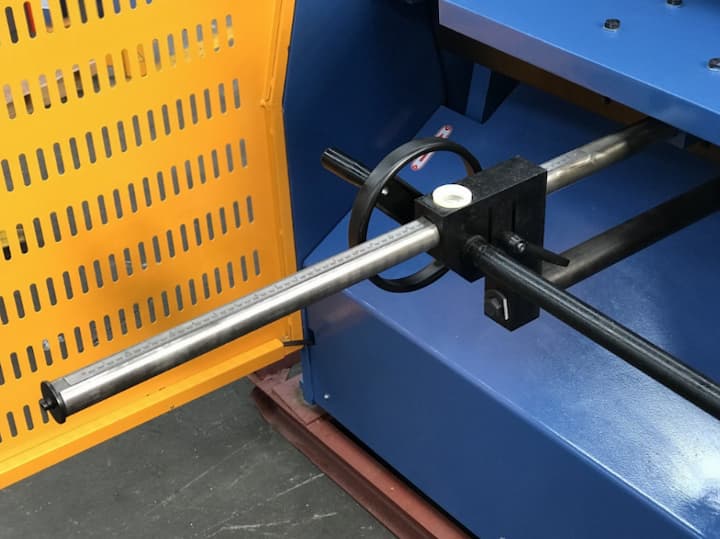
A back gauge allows the exact positioning of the metal sheet before cutting. Manual back gauges are simple but effective for small runs, while digital or CNC-controlled versions enhance speed and precision in repetitive production. A reliable back gauge saves time and ensures uniform results.
Blade
The blade’s quality has a direct effect on the smoothness of the cut. High-carbon or alloy steel blades are preferred for maintaining sharpness and resisting wear. Routine maintenance, including cleaning and sharpening, helps sustain cutting accuracy over time. For shops working on various metals, replaceable blades of different grades offer flexibility.
Hold-Down Mechanism
This component keeps the sheet firmly in place during cutting to prevent material movement or misalignment. Hydraulic hold-downs are common in large industrial guillotines and deliver steady pressure across the sheet’s surface, guaranteeing a clean, burr-free finish. For smaller models, mechanical clamps or manual screws are sufficient.
Control System
In modern sheet metal guillotines, digital control panels simplify operation. They allow users to set dimensions, adjust blade clearance and monitor performance with accuracy. While basic models rely on manual settings, CNC and programmable units automate most of the process, reducing errors and increasing workshop productivity.
Safety Features
Since sheet metal cutting involves sharp blades and high pressure, safety should never be overlooked. Guard covers, emergency stops and light curtains are standard on most modern machines. Operators should also wear protective gear and follow proper procedures to avoid accidents. A guillotine for sheet metal equipped with solid safety features preserves both a worker’s well-being and the structural integrity of the machine.
Final Thoughts
A sheet metal guillotine remains one of the most dependable tools for clean and accurate cutting in the metalworking industry. While modern cutters like plasma machines may offer more automation, guillotines provide unmatched reliability, precision and simplicity. Whether you’re fitting out a large fabrication facility or a smaller workshop, choosing the right cutter ensures consistent performance and long-term value.