
Safe Connections: Everything You Need to Know About Junction Boxes

Every home, office, or business relies on electricity, but it’s the invisible infrastructure behind the walls and ceilings that keeps everything running smoothly and safely. Whether you’re plugging in a kettle, charging your phone, or powering up a computer, the real magic happens out of sight, where wires and cables are carefully routed and protected. That’s where the humble junction boxes come in, quietly doing their job to keep things safe, tidy, and reliable. But what exactly are these boxes, and why are they so important for anyone working with electrical systems?
Understanding the Basics: What Are They and Why Do They Matter?
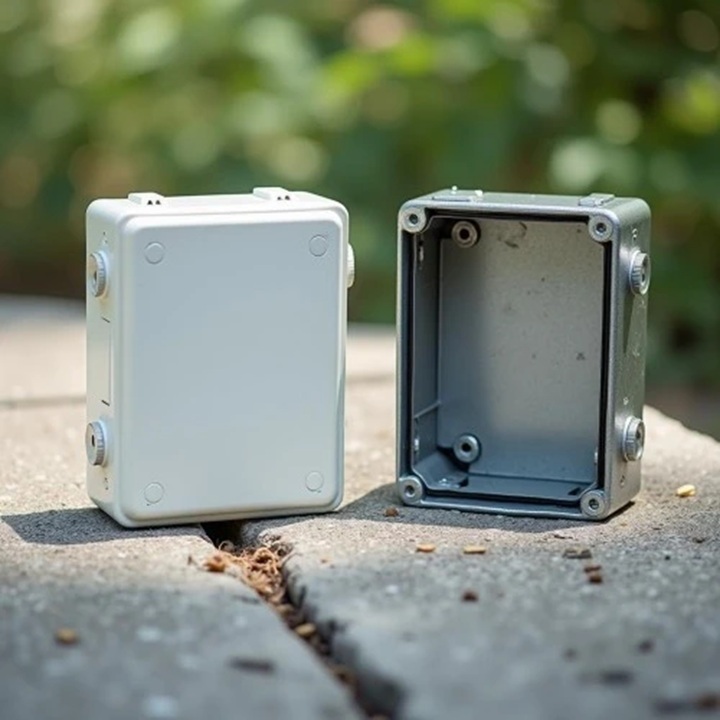
At their core, well-designed and versatile junction boxes are a safety enclosure designed to house electrical connections. Imagine all the wires that need to meet, split, or change direction in a building. Without a proper enclosure or electrical box, those connections would be exposed to dust, moisture, and accidental contact.
This isn’t just messy, as it’s also potentially dangerous. Junction boxes act like a secure meeting point for wires, keeping everything contained and reducing the risk of electrical fires, accidental shocks, or short circuits. Junction boxes also make it easier to trace and manage wiring, which is a huge help during repairs or upgrades.
Essential for Every Setup: The Role of Junction Boxes
No matter if you’re a homeowner tackling a DIY project or a professional electrician, junction boxes are a must-have for any safe and compliant electrical installation. These boxes are required by safety codes in Australia and around the world because they offer a simple, effective way to protect both people and property. When installed correctly, they keep live wires out of reach, shield connections from the elements, and help prevent small issues from turning into big disasters.
But it’s not just about safety either. Junction boxes also make life easier for anyone who needs to maintain or upgrade an electrical system. With clearly marked enclosures, you can quickly identify where your wires connect, branch, or change direction, saving time and reducing confusion. In commercial spaces, where wiring can get especially complex, having everything neatly organised in junction boxes is essential for both efficiency and peace of mind.
That’s why selecting the right protective junction boxes can make all the difference for safety and peace of mind. It’s not just a technical detail; it’s an investment in the long-term reliability and safety of your electrical setup.
Types and Materials: Finding the Right Fit
Junction boxes come in a variety of types and materials, each suited to different environments and requirements. The most common types include:
1. Surface-mounted boxes: These are installed directly onto walls or ceilings and are easy to access for inspection and maintenance.
2. Flush-mounted boxes: Designed to sit inside walls or ceilings, these offer a cleaner look and are ideal for new builds or major renovations.
3. Weatherproof boxes: Made to withstand the elements, these are perfect for outdoor installations or damp environments like bathrooms and basements.
When it comes to materials, you’ll usually find plastic (PVC) and metal options. Plastic boxes are lightweight, non-conductive, and resistant to corrosion, making them a popular choice for indoor use. Metal boxes, on the other hand, are incredibly durable and provide extra protection against fire and impact, ideal for commercial or industrial settings. The right choice depends on where you’re installing the box and what kind of protection you need.
Alternatives and Flexible Solutions
While junction boxes are the go-to solution for most wiring connections, there are other options for managing cables, especially in complex or specialised setups. For example, conduit systems offer a way to run wires through protective tubes, while cable trays can help organise large bundles in commercial spaces. Some people might opt for modular connectors or wireless solutions in smart homes. However, for most fixed wiring in homes and businesses, a well-chosen junction box remains the safest and most practical choice.
Installation Tips and Safety Advice
Installing a junction box is definitely not rocket science, but it does require a bit of planning and attention to detail. Here are some practical tips:
1. Plan your wiring: Before you start, map out where your cables will run or where you want them to run and how they’ll connect inside the box.
2. Choose the right size: Overcrowding a box can be a safety hazard. Make sure there’s enough room for all the wires and connectors.
3. Secure the box properly: Whether you’re mounting it on a wall or embedding it in plaster, a loose box can lead to damaged wires or failed connections.
4. Use proper connectors: Always use approved cable clamps or grommets to prevent wires from rubbing against sharp edges.
5. Follow local regulations: Electrical codes exist for a reason. Make sure your installation meets all relevant standards, and don’t hesitate to consult a licensed electrician if you’re unsure.
Common mistakes include using a box that’s too small, failing to secure cables properly, or leaving connections exposed. Taking the time to do it right will save you headaches and, possibly even hazards, down the line.
Maintenance and Future-Proofing Your Setup
Once installed, junction boxes require very little day-to-day attention, but regular inspection is still a good idea, especially in older buildings or high-traffic areas. Look out for signs of wear, moisture ingress, or loose fittings. If you ever need to upgrade your wiring, having clearly labelled and accessible junction boxes will make the job much easier. Investing in quality enclosures now can save you time and money in the future, as well as keep your system flexible for new technologies or layouts.
Making the Smart Choice for Electrical Safety
In the world of electrical installations, small details can have big consequences. Choosing the right junction boxes and installing them with care means you’re not just following the rules; you’re actively protecting your property, your technology, and everyone who uses it. Whether you’re renovating a single room or wiring an entire building, don’t overlook this crucial component. With the right approach, you’ll enjoy a safer, tidier, and more reliable electrical system for years to come.