
3D Printing: Pick 3D ASA Filament for Quality and Durable Prints

It’s amazing how, in under a decade, 3D printing has evolved from high-tech brainchild, to an everyman’s manufacturing process. Homebuilders, healthcare providers and even hobbyists have all benefitted from the advancements made in 3D printing technology – advancements that have seen the prices of 3D printers drop from many thousands of dollars to well under a thousand dollars.
Experienced print operators, however, understand that the quality of the 3D filament they use is as important as the quality of the printer itself. And as some filaments are better suited for certain climates and printer environments than others, operators have to be sure that their filament selection process matches their print’s intended usage.
Attributes That Prove ASA Is the Perfect 3D Filament For Australia
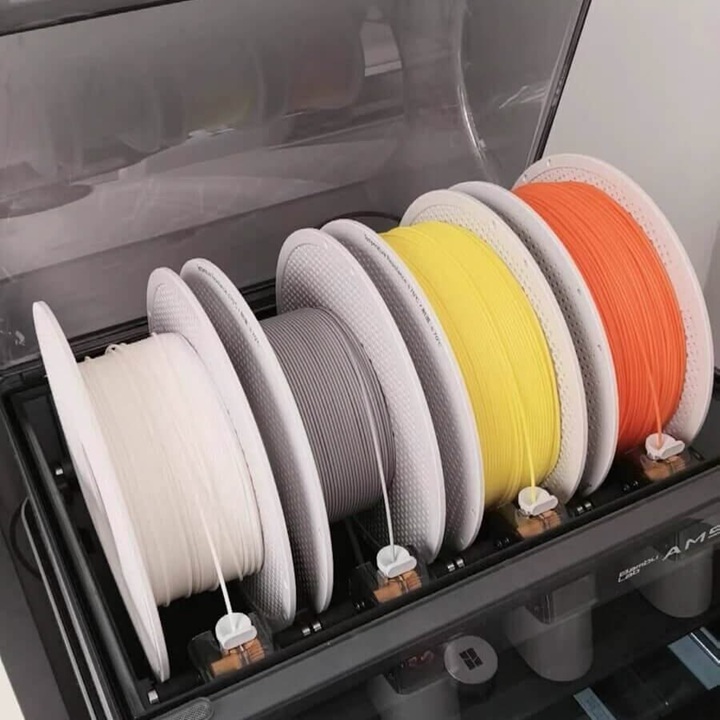
It’s no secret: when it comes to creating precise quantities of custom products quickly, 3D printing opens up a whole new world of opportunity. And when it comes to making prints and parts with the best combination of hot weather survivability attributes, high temperature 3D ASA filament is the option preferred by most Australian printers.
ASA (Acrylonitrile Styrene Acrylate) is a thermoplastic formulation engineered especially for environments where persistent high temperatures and UV exposure are expected – in short, conditions which are pretty much guaranteed across Australia. The ability to produce large quantities of even the most superbly detailed prints is moot if they’re prone to warping or melting when the thermometer creeps up; this is where the temperature-fast, non-degradable attributes of ASA 3D filament really shine through.
- Unequalled UV resistance. Not only is the acrylic rubber content in ASA resistant to UV exposure, it’s also a crucial component that allows it to retain its original colour without fading or yellowing.
- Superior heat resistance. The thermal properties of ASA filaments are central to their ability to resist softening under the high temperatures of direct indoor or outdoor sunlight, up to 94°C.
- Remarkable all round durability. Together with its high tensile strength and impact resistance, ASA’s extremely low moisture and humidity absorption rates give it unmatched durability against swelling, cracking or becoming brittle.
Make no mistake: while the reliability of 3D printed parts and models depends largely on the quality of the 3D design and the specific capabilities of the printer, choosing the wrong filament is a guaranteed recipe for print failure. If the filament isn’t suitable for the print’s intended usage, problems with shrinkage, softening and breakage are going to occur. That’s why ASA 3D print filament is widely preferred for such a broad range of Australian print jobs.
No Other 3D Filament Takes the Heat Like Engineering Grade ASA
While ASA’a advantages for printing yard and garden accessories, custom car parts and even decorative window displays are impossible to ignore, the fact that it can cost up to 30% than other 3D filaments is also difficult to ignore. The price difference, however, reflects how advanced ASA 3D printing filament formulations are when compared to other popular filament types.
Regardless of the type of printing being done, heat, sunlight and UV exposure are unavoidable in Australia. This is where the added cost of an engineering grade ASA 3D printer filament yields big returns against more moderately-priced filaments.
- ASA vs. ABS (Acrylonitrile Butadiene Styrene). Although ABS is considerably more affordable and only requires a 230°C – 250°C nozzle temperature when compared to ASA’s 240°C – 270°C, the butadiene rubber content in ABS doesn’t allow it to withstand the heat and UV levels of ASA, while also leaving it more likely to lose colour and warp on larger prints.
- ASA vs. PETG (Polyethylene Terephthalate Glycol). While PETG requires a slightly cooler 220°C – 250°C nozzle temperature and easier setup than ASA, it still lacks ASA’s rigidity and ability to withstand high temperatures and direct sunlight without the possibility of the print weakening and yellowing.
- ASA vs. PLA (Polylactic Acid). Like PETG, ultra-low cost PLA’s 190°C – 220° cooler nozzle temperature allows for easier, and more forgiving setups than ASA. PLA is far more brittle than either ASA, ABS or PETG, and offers only a fraction of ASA’s ability to resist discolouring and weakening under UV, high heat or direct sunlight exposure.
There’s no debate that when comes to a long lasting 3D filament, ASA is unmatched for prints that are expected to spend any time in direct sunlight – giving it a more-than reasonable tradeoff against cost. Aside from ASA’s higher nozzle temperatures though, there are a variety of other considerations that have to be observed when working with these high temperature filaments. Some are for operator protection and some are to protect the printing process itself. All, however, are proof that when it comes to 3D printing, ASA filament is in a class all its own.
Precautions That Help Keep Printing With ASA Problem-free
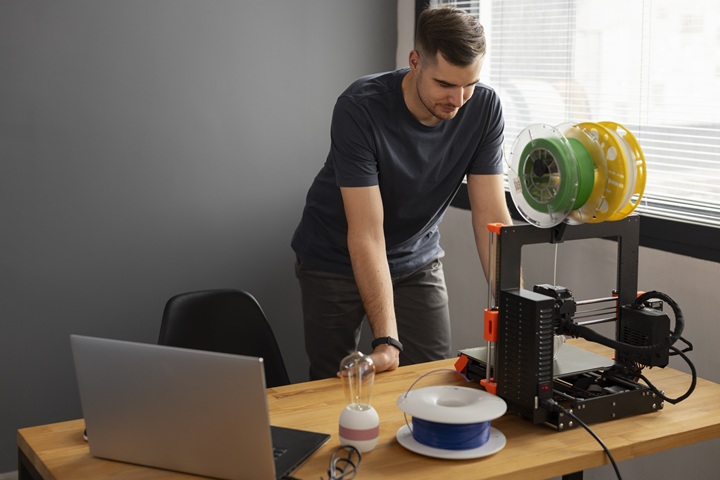
There’s no escaping the fact that while a 3D printer ASA filament offers the best combination of attributes for one of the toughest climates on the planet, the conditions needed to produce the highest quality prints also demand a greater degree of diligence. That’s why when it comes to printing with ASA, optimising printer temperature, as well as ensuring the best possible setup are all necessary to deliver the most impressive results.
ASA isn’t as forgiving as other filaments, and operators setting up for ASA filament 3D printing need to take the following precautions:
- Follow proper print temperature setups. Temperature is the most important factor when printing with ASA filament, and caution has to be given to ensure that the nozzle temperature is set for 240°C – 270°C, the heated bed temperature is set between 90°C – 110°C, and that the filament has been thorough dried at 60°C – 70°C for at least 4 hours to remove any absorbed moisture that could result in print brittleness.
- Consider a quality printer enclosure. Temperature regulation also plays a role in the need to have a printer enclosure when printing with ASA. Stability heating is essential, and an enclosure is necessary for trapping heat and blocking drafts to prevent the kind of uneven cooling that can result in print warpage, material shrinkage and possible layer splitting.
- Take steps to reduce thermoplastic fumes. When heated, ASA is known to release toxic thermoplastic fumes and other volatile organic compounds (VOCs). Ideally, an enclosure with HEPA filtration should be used when printing with ASA. If neither are available though, printer operators should restrict their activities to well ventilated areas, or strictly outdoors if necessary.
And like any engineering grade filament, ASA should always be stored in a cool, dry place and sealed with silica desiccant to eliminate that risk of moisture buildup. These are simple practices that are guaranteed to make 3D printing with ASA as problem-free as possible.
The Final Word
At the end of the day, with all the professional and personal potential that’s been opened by 3D printing, it’s still a very delicate activity that requires putting the best in to get the best out. This also includes filaments, as Australia’s persistent temperatures frequently demand the use of filaments that are capable of withstanding some of the hottest, and most sun-drenched climates on the planet.
High temperature 3D ASA filament is the only choice for indoor or outdoor prints that are likely to spend any length of time exposed to direct sunlight. ASA costs more and required more deliberate printing setups, but the difference in print quality and durability is tremendous.