
Reasons to Use Primer Spray Paint: A Fresh Perspective on Creative Prep

Surface preparation stands as the staple in any painting project. Whether revamping furniture, refreshing household fixtures, or embarking on a new creative endeavour, the process of priming sets the foundation for results that wow. Neglecting this crucial step can mean poor adhesion, uneven finishes, or rapid wear.
Choosing the Right Primer Spray Paint
The term primer spray paint describes a surface treatment that not only seals but also enhances paint adherence. Selecting the ideal product comes down to understanding the base material. For instance, plastic surfaces pose a challenge due to low porosity and slippery textures. Specially formulated sprays address these quirks, prepping everything from car parts to upcycled bottles without fuss.
On metal, primers offer corrosion resistance, especially vital for outdoor objects exposed to rain or salt, such as garden gates and bikes. Wooden surfaces act like sponges, absorbing topcoats unevenly unless properly primed, making the final colours pop while blocking stains and tannins. Multi-purpose formulas cater to general DIY use, bridging the gap between hobby and professional standards.
From automotive parts to patio décor, primer spray paint products come in a wide array, adapted for virtually every challenge. Epoxy-based sprays resist chemical exposure and extreme wear, plastic primers address smooth surfaces, and rust converters double-duty for aging metals. When comparing formulas, consider drying time, coverage, environmental impact, and specific challenges posed by your chosen surface. Acrylics offer fast-drying versatility, while specialty blends tackle marine or automotive conditions.
Technique of Application
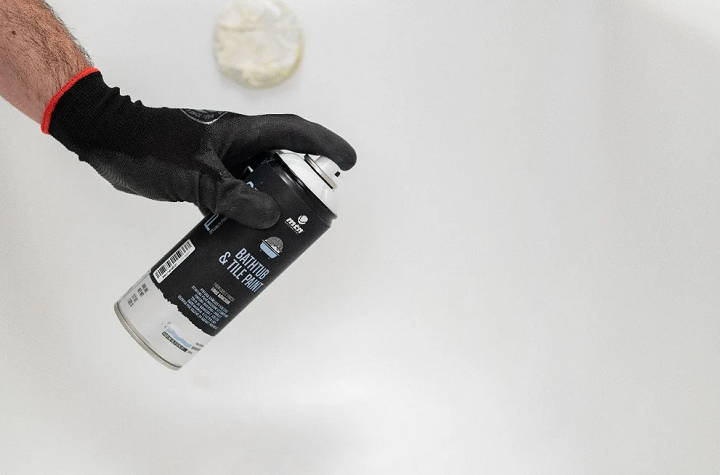
Technique matters as much as product selection. First, ensure the surface is clean and dry; even a speck of dust can compromise the bond. Shake the can thoroughly for at least sixty seconds to mix internal components; a small marble inside assists in this. Spray using short, even passes, keeping the can at a consistent distance (typically about 20-30 centimetres) from the workpiece for optimal, streak-free coverage. Build up in two or three thin coats, waiting a few minutes between applications. Avoid heavy coats, which cause drips and uneven textures.
Primer spray paint would make a great addition to one’s tools and equipment, not just for visual appeal, but also for durability.
Fun, Functional, and Creative Uses
A pro paint primer isn’t just for standard renovations; its adaptability opens doors to all manner of creative exploits. Use it to rejuvenate outdoor pottery, restore weathered frames, or prep tiles for a bathroom refresh. Car enthusiasts rely heavily on primer spray paint for smart repairs and colour changes, while savvy DIYers use it to ready skateboards or sports gear for bold custom paint jobs. Crafters favour it for projects ranging from clay sculptures to metal ornaments, ensuring paint glides on and holds strong. Parents might even discover spray primers as a handy step for prepping wood toys, providing a safe, sealed underlayer before finishing.
Notably, eco-conscious creators can find environmentally responsible formulations, reducing fumes and facilitating easier cleanup. Some advanced designs offer carbon-neutral production, appealing to those who wish to minimise their footprint while still prioritising quality prep. These choices underscore the versatility and modern relevance of primer spray paints in both everyday and inventive scenarios.
Can’t-Miss Tips for Flawless Results
Even the most advanced spray works best with good technique. Always shake the can before use, as mixing paint and additives inside evenly is critical for consistent spraying. When venturing outdoors, seek a calm day to avoid wind-driven overspray. For intricate or multi-material pieces, masking off areas with painter’s tape ensures only desired surfaces receive primer, preserving detail. Allow adequate drying time, which varies by formula but generally ranges from ten minutes to an hour for touch-dry; check product labels or guides for specifics.
To maximise vibrancy with bright topcoats, consider using a white or tinted primer spray paint. This can dramatically enhance colours like yellow or fluorescent shades, reducing the number of finishing coats needed. Seamless blending between surfaces, filling small gaps, and hiding imperfections are bonuses of a well-chosen primer. Always follow up with the topcoat within the recommended window to promote the strongest bond and longest-lasting results.
Smart Choices Lead to Standout Results
Surface type and environmental demands dictate the best selection. Household projects generally fare well with acrylic or multi-purpose sprays, while specialised tasks, like restoring car panels or prepping metal for weather exposure, require formulas built for those conditions. Consider longevity, intended use, and the environment the final product will face, indoors and outdoors alike. Those who explore different primer spray paint types often discover improved finish, vibrant colour, and extended wear, all with minimal fuss.
Ready, Set, Create
A properly primed surface stands as an invitation to invent, update, or simply protect valued possessions. With the right spray paint primer chosen for the job, creative visions are brought to life with greater ease, reliability, and flair. So gather supplies, prep well, and enjoy the lasting satisfaction that smart groundwork brings. Every successful project truly starts with the basics done right.