
3 Reasons to Paint on Canvas vs Other Surfaces

Do you know what Leonardo da Vinci, Vincent van Gogh, and Claude Monet all have in common besides their legendary talent and timeless masterpieces? They all preferred to use canvas for painting. Contrary to artists like Jan van Eyck, who often painted on wood panels, Egon Schiele, who sometimes used paper, and Salvador Dalí, who experimented with unusual surfaces like copper or glass, these masters favoured canvas.
The reason for this may be the same one that prompts many artists today to choose canvas for painting. Artist canvas, unlike walls, wood, or paper, is lightweight, easy to hang, and, while flexible, it does not crack or split.
Texture
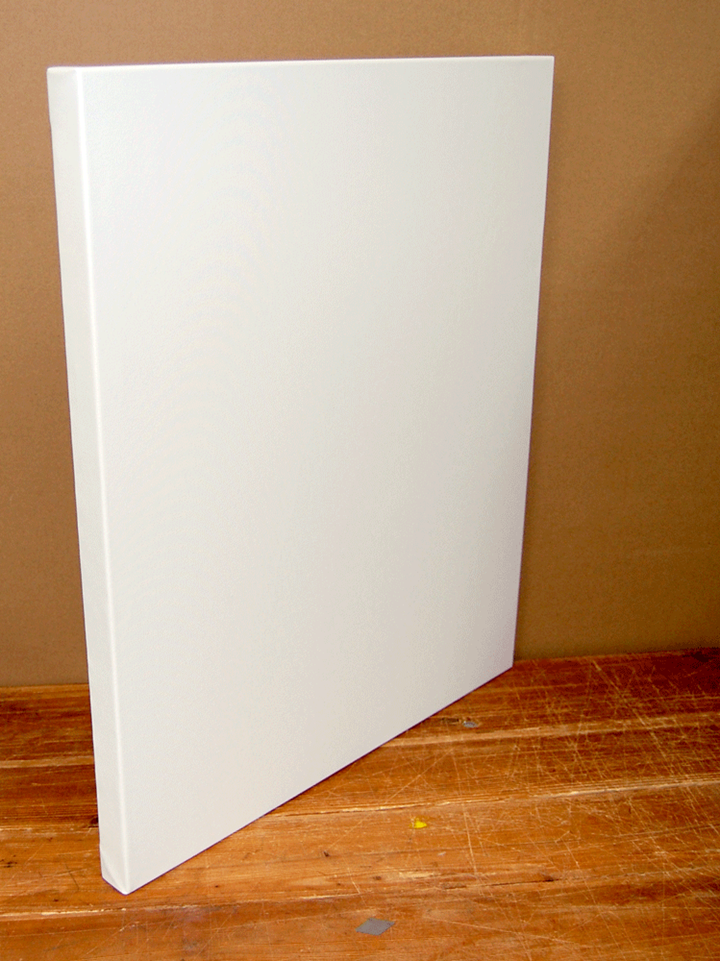
Unlike wood, which can sometimes feel too stiff, paper too fragile, and glass too smooth, artist canvas sits somewhere in between. Its soft yet textured surface allows the paint to grip better and spread beautifully. Instead of being fully absorbed, like with paper, it sits on the surface.
This texture lets artists apply one coat of paint over another to build depth and create subtle effects. Although you can layer on wood, glass, and paper, it’s easier and more controlled on canvas.
Masters like Leonardo da Vinci applied thin, nearly transparent layers of oil paint with his fingers over many months to slowly build up the glowing, lifelike image of Mona Lisa. In fact, he would apply 20 to 40 layers of paint. Rembrandt also used multiple layers to create rich textures in his portraits.
The canvas’s texture also allows artists to blend colours seamlessly. Monet and Van Gogh often blended colours directly on the canvas rather than pre-mixing them on a palette.
The way paint sits and blends on canvas comes down to its tooth, which gives the surface grip and helps colours settle the right way. Art canvases can have different levels of tooth, from fine and smooth to more pronounced and textured. If you are painting a realistic, detailed art with thin applications of paint, choose a canvas with a tight weave. A rougher weave is more suitable for expressive, textured strokes.
Durability
Another reason why many artists may prefer canvas is its durability. This surface can withstand repeated layering and blending without losing its texture and structural integrity. Paper, on the other hand, can warp or tear under multiple layers of paint.
Wood panels, on the other hand, may crack or expand due to changes in temperature and humidity. Glass and metal face different challenges in terms of durability. These surfaces require special preparation for paint to stick, a technique known as priming. However, even with proper priming, colours on glass are generally more prone to chipping, peeling, and fading.
Canvas, on the other hand, holds paint securely in place. When carefully preserved, canvas art can last for centuries without noticeable fading. Take, for instance, Vincent van Gogh’s oil-on-canvas painting The Starry Night. Thanks to the meticulous care poured into its preservation, like varnishing to protect the paint, controlling temperature and humidity, limiting light exposure, and performing regular restoration, this masterpiece has maintained its brilliance and texture for well over a century.
To keep your canvas paintings looking vibrant for years, varnish your finished artwork to protect it from dust, moisture, and UV light. Store or display it in a stable environment, away from direct sunlight, extreme heat, or damp areas that can cause fading or warping.
Versatility
When it comes to handling different paints and techniques, it’s safe to say that canvas is more versatile compared to other painting surfaces. It works great with oil, acrylic, mixed media, inks, pastels, and charcoal. This versatility gives artists the freedom to experiment and combine different techniques.
With the right preparation, you can also use watercolour washes or metallic paints. For this to work, first, you need to prime the canvas with a special watercolour ground. This step prevents paint from soaking in or running.
Beyond working with different paints and techniques, canvas also offers flexibility in terms of size, materials, and format. Choosing the right size allows you to match your painting to your idea. Larger canvases give room for bold, sweeping gestures, while smaller ones invite intimacy and detail.
Furthermore, canvas also comes pre-primed or raw. Unprimed canvas is easier to stretch, but a pre-primed canvas allows you to skip the priming step and start painting sooner.
Besides size, the materials can also shape how paint behaves and how your final piece looks. Cotton is the most popular type of paint canvas because of its gentle, forgiving texture. It’s also reasonably priced and versatile.
Linen is another popular choice. It has a somewhat rougher texture and retains paint very well due to its tighter, more resilient weave than cotton. While usually on the pricier side, linen canvases for painting are preferred for their strength and longevity.