
Unlocking Your Car’s Secrets With Codebreaker OBD2 Technology

Modern vehicles are far more intelligent than they appear. Beneath every smooth drive lies an intricate communication network of sensors and microprocessors continuously monitoring each component. The car’s on-board diagnostics system, known as OBD2, operates as its internal messenger, logging any irregularities it detects. Having access to that information through diagnostic tools allows drivers to interpret warning signs before they escalate, saving time and money on repairs.
Since 2006, all passenger vehicles sold in Australia have been required to feature OBD2 compatibility, allowing standard scan tools to interface with their electronic control units (ECUs). This system gathers data ranging from air intake efficiency to transmission behaviour. Decoding that data empowers car owners to maintain healthier engines and smarter driving habits.
How Smart Cars Talk Back
Your vehicle constantly gathers information through built-in sensors connected to the ECU, which acts as the car’s brain. The OBD2 system translates these inputs into diagnostic trouble codes, like an ongoing conversation between the engine and the driver. The OBD2 port, typically found beneath the driver’s dashboard, provides the access point for tools that read this information.
When an issue arises, such as irregular fuel pressure or emission levels, the car’s system flags a specific code (e.g., P0171). These codes follow a universal pattern, which diagnostic devices interpret to pinpoint the component that may require attention. Beyond error detection, OBD2 systems monitor ongoing performance, ensuring that every signal remains within standard operating limits.
Reading the Hidden Language of an OBD2 Scanner
OBD2 scanners allow everyday drivers to unlock what their vehicles are trying to communicate. By connecting the tool to the OBD2 port, drivers can retrieve stored diagnostic trouble codes instantly. These scanners can detect anything from engine misfires to emissions faults, providing a clear window into the car’s health.
The technology isn’t confined to engine diagnostics. Many modern tools integrate features such as voltage monitoring, transmission checks, and real-time data visualisation. This means users can see exactly how their car performs under different driving conditions, a feature once reserved for specialised workshops.
Enhancing your vehicle and its performance by installing reliable OBD2 scanners will help keep your engine running smoothly, transforming maintenance from reactive to proactive.
Making Maintenance Easier Than Ever
Real-time insights from diagnostic scans simplify the process of identifying potential faults. Rather than waiting for warning lights or sudden breakdowns, drivers can monitor system performance and detect problems early.
This preventive approach isn’t just about saving costs. Regular scanning helps optimise fuel economy, reduce emissions, and extend engine life. A well-maintained vehicle runs cleaner and more efficiently, contributing to both road safety and environmental protection.
Choosing and Using the Right Tool
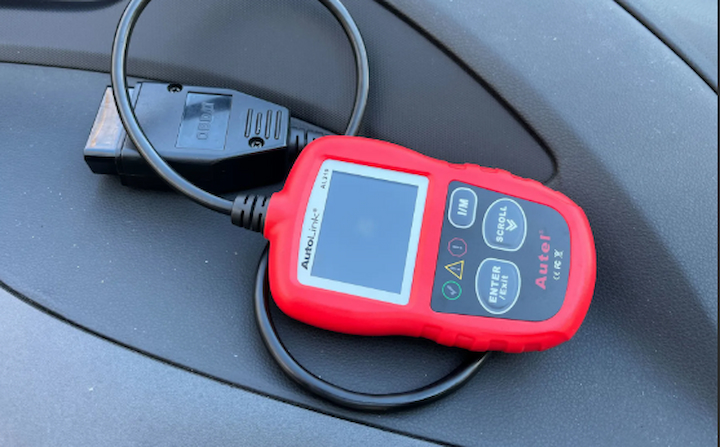
Selecting a diagnostic tool that suits your specific needs is straightforward once you understand the available types. Basic code readers are ideal for everyday car owners who want quick problem checks. Meanwhile, multi-system tools cater to those seeking more advanced analysis across braking, transmission, and temperature systems.
Ease of connectivity also matters. Some options work through Bluetooth or Wi-Fi, allowing mobile devices to display scan data in user-friendly apps. These tools offer convenience without sacrificing accuracy. Professional users may prefer diagnostic devices that support detailed component testing and data logging for performance evaluation.
When using any scanner, it’s essential to follow a few tips for accurate readings: ensure the ignition is on (but engine off) before scanning, keep the diagnostic port clean, and compare scan results over time rather than relying on a single check. Routine scanning, say, once every month or two, helps catch small problems before they grow.
Everyday Benefits Beyond Repairs
Diagnostics go beyond fixing malfunctions. Consistent data readings can reveal trends in fuel consumption, engine workload, or idle behaviour, letting drivers fine-tune their driving styles. The insights drawn from continuous monitoring encourage smoother acceleration, better mileage, and reduced emissions output.
Even battery performance and temperature regulation can be tracked via onboard diagnostics, helping users identify weaknesses before they lead to failure. By recognising low voltage or weak ignition signals, OBD2-based maintenance reduces the risk of unexpected component breakdowns.
The Tech Revolution on Your Dashboard
Today’s diagnostic technology has evolved into a form of automotive telematics. Beyond basic error code scanning, advanced tools now provide live performance metrics that help optimise modern vehicles. These devices often communicate through the vehicle’s CAN bus (Controller Area Network), creating real-time data flows between the scanner and critical vehicle systems.
This level of transparency benefits both everyday drivers and enthusiasts. Whether someone aims to improve power output, maintain consistent fuel efficiency, or simply ensure the engine stays healthy, OBD2-supported devices facilitate evidence-based decision-making about upkeep.
Driving Smarter for the Long Road Ahead
Understanding your car’s system has never been easier. With on-board diagnostic tools, knowledge that used to belong exclusively to mechanics is now available to every driver. Scanners give a glimpse into the engine’s internal dialogue, empowering people to act early instead of reacting late.
As these tools evolve, their role in preventive maintenance grows even more essential. They form a bridge between technology and responsibility, encouraging efficient, safe, and sustainable vehicle ownership. By investing in regular diagnostic check-ups and using the right tools, drivers create a smoother, smarter, and longer-lasting relationship with their vehicles.