
Essential Components in a Solar Setup (And the Reasons They’re Important)

With an average of 3000 hours of sunshine annually, Australia leads the world in solar power production per capita. Solar power generates roughly 10 per cent of the country’s electricity, with every third home boasting a solar rooftop setup. The number and scope of large solar farms are also on the rise, complemented by advanced battery storage systems to further support growth in renewable energy.
Households with a solar setup have enjoyed significantly lower electricity bills. This makes more sense due to rising power prices from traditional sources (such as coal) and is a necessity in remote regions and those prone to power outages. For anyone who hasn’t bitten the solar bullet, this simple guide breaks down the main components of a household solar setup and how to reap the benefits it provides.
Components in a Solar System
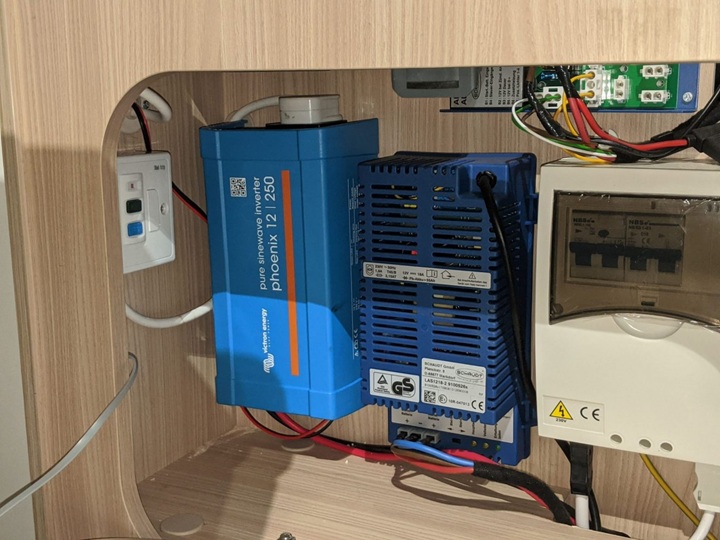
While panels are the more obvious parts in any solar setup, they’re just part of the story. You’ll also need a quality solar inverter, a battery to store surplus energy in an off-grid system, wiring to connect panels, inverters and batteries and mounting hardware to secure parts in place.
Panels are the key components, converting sunlight into direct current (DC) through the photovoltaic effect. These consist of dozens of cells mounted in a sandwiched frame, ready for installation. The size of the panel and the materials used in its construction generally determine how much power it can produce, with newer monocrystalline panels (made from a single silicon crystal) leading in efficiency.
Voltage and ampere ratings are also determined by how individual panels are connected to form a larger array. Connecting panels in series (or end-to-end) increases voltage. Parallel connections, with multiple paths for electricity to flow, increase amperage but keep voltage the same as the panels. The latter provides a more consistent power supply for power-hungry appliances and equipment.
The Role of Inverters
Inverters make solar energy usable. They convert DC power generated by panels into alternating current (AC) that powers most appliances, electronics, homes and businesses. Unlike older mechanical devices, a solar inverter uses solid-state components, including semiconductors, transistors and diodes to switch direct current from panels or batteries on and off at very high frequencies.
This produces alternating current, ideally in a pure sine waveform, clear of distortion and noise that can damage sensitive electronics. There are several types of solar inverters, depending on design and the setups in which they’re used:
- String inverters: These gather power from a ‘string’ or series of panels and route that power into a single, central unit. An affordable and widespread type, especially for household and small commercial use, string converters are most efficient when panels receive uniform sunlight.
- Micro-inverters: A more advanced solution, micro-inverters are integral parts of each solar panel. This allows for more flexibility in panel positioning, though it incurs higher maintenance and installation costs due to more complex parts.
- Hybrid inverters: These are common in a combined on/off-grid solar setup, with inverters converting DC power to AC and managing flow between panels, batteries and main grids.
- Central inverters with power optimisers: A feature in large commercial and industrial applications, these are a combination of string and micro-inverters, with an inverter integrated into each panel, and a larger central unit to optimise power output from each panel.
For areas with little shade and panels facing the same direction, string inverters are inexpensive, efficient and low-maintenance. Not all setups, though, have direct access to sunlight. On slanted and angled roofs that see abundant amounts of shading, micro-inverters are the better choice, even if one or more panels are blocked. And for larger installations, go with the benefits and power management capabilities that a central inverter provides.
Choosing the Right Inverter for Your Needs
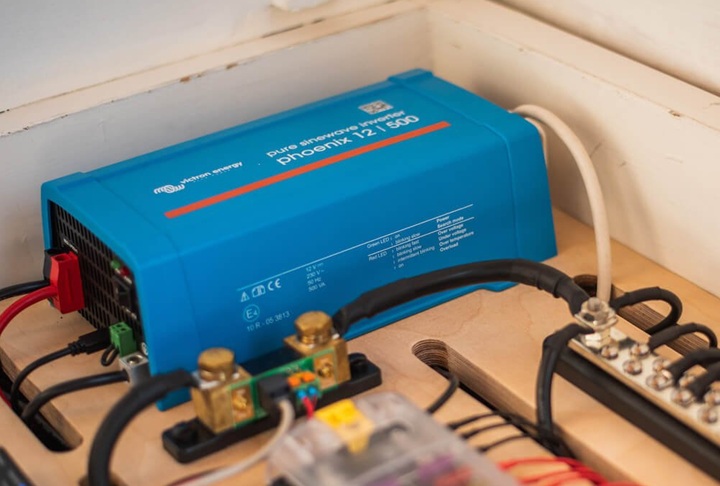
Besides choosing one of the solar panel inverter types listed above, there’s more to solar inverters than meets the eye. For a reliable, efficient and maintenance-free power supply from your solar setup, consider the following buying factors:
- Size: Size your inverter according to your power needs. This means inverters that are rated for the total wattage that all panels can produce. Small string inverters rated for 2kW to 5kW are adequate for most home or off-grid setups. For larger setups consisting of dozens of panels, larger central inverters or panels with micro-inverters provide higher efficiency. To keep on the safe side, choose inverters with slightly higher ratings than the overall DC output of all combined panels.
- Safety and reliability: Choose a solar energy inverter with integrated safety features to prevent electrical faults and damage, for instance, a power outage in an on-grid setup. Overload protection keeps the device safe during extremely high loads, shutting the inverter off from the panels or battery. Other safety systems, such as surge, short-circuit and reverse polarity protection, shield inverters and ensure a consistent and reliable power supply.
- Monitoring and control: Opt for inverters with multiple control methods. This simplifies ease of use by tracking your solar system’s performance and power flow in real-time, either with remotes or smartphone apps, with audible to visual alerts if something goes wrong.
- Warranty: Quality inverters last between 10 and 15 years. Choose reputable manufacturers that also comply with local standards and requirements, and offer clearly defined warranties.
Complete the System with Batteries, Wiring and Other Necessities
Secure panels to roofs and other surfaces with the right racking and mounting hardware. These ensure stability, help optimise energy capture with appropriate positioning, and reduce the likelihood of overheating by optimising airflow. To store power, you’ll also need a rated battery bank. Since panels don’t work at night, a battery stores generated DC energy that is then routed through inverters when needed.
Older flooded lead-acid batteries are enough for smaller setups, though they have lower discharge rates and require higher maintenance. Step up to somewhat costlier absorbent gas mat (AGM), lithium-ion or lithium iron phosphate (LiFePO4) batteries for faster charging, improved protection, longer lifespans and considerably better performance with higher capacities in a smaller, lighter package.
Keep batteries safe with battery monitors that measure voltage, current and discharge rates (among other parameters) and use quality cabling to connect the separate components. For safety, solar systems will also include basic protective and control devices, such as disconnect switches and fuses. Lastly, junction boxes and meters are used to connect and protect cabling and meter flow in grid-tied setups.