
Reasons to Invest in an H-Class Vacuum Cleaner for High-Dust Environments

Dust is more than just a nuisance on busy worksites; it can also be a serious health hazard. For construction crews, supervisors, and anyone working in environments where airborne particles are everywhere, it’s essential to keep the workspace clean. This is especially true when dealing with dangerous materials like asbestos, where exposure risks go far beyond the surface.
An H Class vacuum is designed specifically for high-dust and hazardous environments. These machines protect your health, keep your site compliant, and help your team work more efficiently and safely.
The Dangers of Harmful Dust Particles
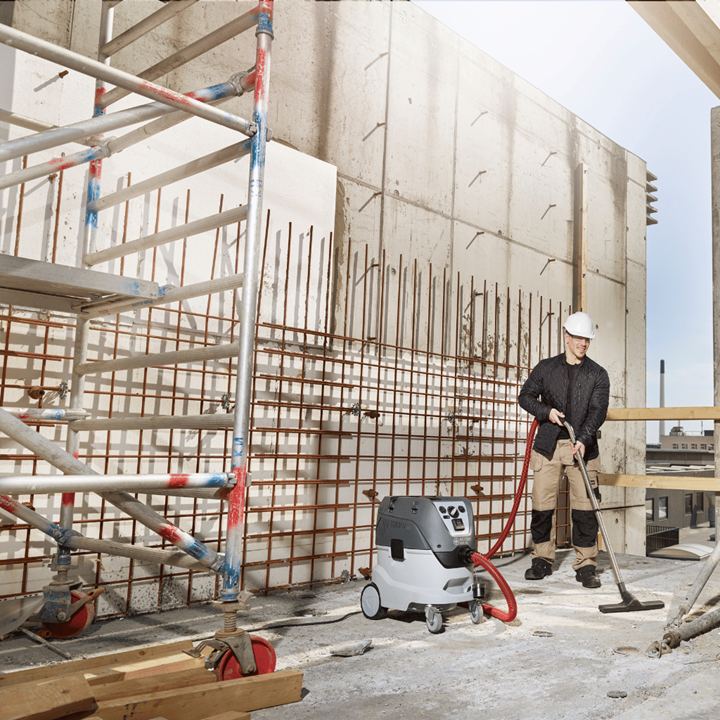
Harmful dust particles are more than just a nuisance. They can be a serious threat to health. Asbestos, for example, was once a popular material in construction because of its heat resistance and durability. However, it becomes dangerous when its fibres are released into the air. Breathing in these tiny particles can lead to serious lung conditions, including asbestosis, lung cancer, and mesothelioma.
But asbestos isn’t the only culprit. Dusts containing silica, lead, and other industrial particles can also pose major health risks if you inhale them over time. Beyond the obvious health concerns, exposure to these dusts comes with legal responsibilities for workplaces. This is why it’s essential to understand the hazards and take proper precautions. Informing yourself is the first step in keeping yourself and others safe.
What Makes H Class Vacuums Special?
When it comes to tackling hazardous dust in industrial or construction environments, not all machines are created equal. For this purpose, you’ll need a professional-grade H Class vacuum cleaner, designed specifically to manage harmful particles like asbestos and other carcinogens safely.
What sets them apart is their ability to capture nearly all microscopic dust, thanks to advanced HEPA filtration that traps 99.99% of particles down to 0.3 microns. This level of filtration means the dust you collect stays put, rather than escaping back into the air where it could pose a serious health risk.
Another standout feature of H Class vacuum cleaners is the sealed system construction. Every part of the machine is designed to keep harmful dust contained, so you don’t have to worry about leaks or accidental exposure while cleaning.
These machines are also built tough, made to handle the wear and tear of heavy-duty use. From robust components to long-lasting motors, H Class vacuums are engineered for reliability and endurance. When safety, performance, and durability matter, these machines deliver peace of mind alongside powerful cleaning capabilities.
Differences Between L, M, and H Vacuums
When it comes to industrial cleaning, not all machines are built the same. An L, M, and H Class vacuum cleaner is each designed for different levels of dust hazard, and knowing the difference is key to keeping your workspace safe.
- L Class: Perfect for general cleaning tasks, these machines handle low-risk dust and everyday debris. They’re ideal for standard maintenance where the dust doesn’t pose serious health risks.
- M Class: Designed for medium-hazard dust, these are a step up in protection. They can manage dust that might be harmful with prolonged exposure, making them suitable for construction or renovation projects with moderate-risk materials.
- H Class: H Class vacuums are specifically engineered for high-hazard dust, including asbestos and other carcinogens. Their advanced filtration and sealed systems make them essential for environments where safety can’t be compromised.
Risks of Improper Dust Management
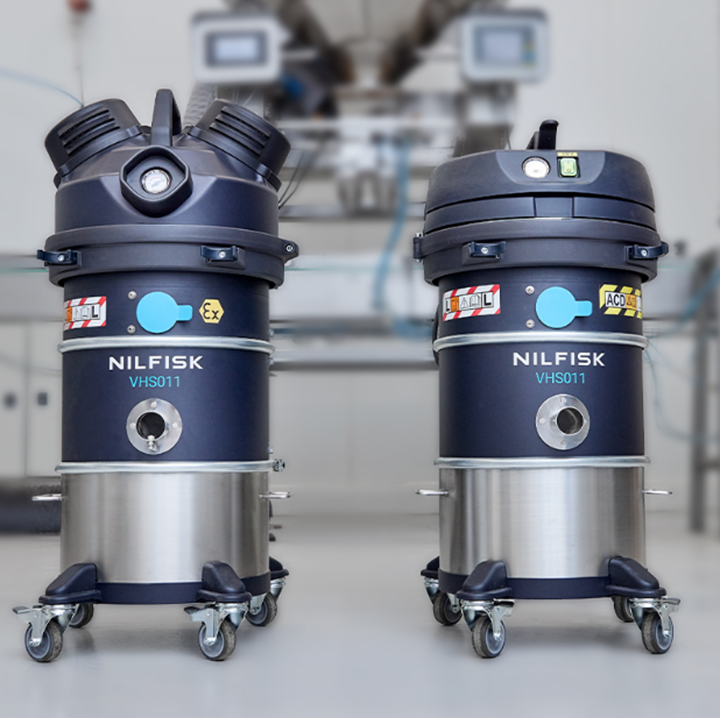
Improper dust management in industrial settings carries big legal and health consequences. Places like workshops, warehouses, metalworking facilities, etc., can generate hazardous dust. Failing to control it can put both employees and the business at risk.
In Australia, for example, compliance with Safe Work Australia regulations is mandatory. Ignoring these standards can lead to hefty fines, legal complications, and in some cases, even criminal liability if someone’s health is seriously affected.
Beyond the legal aspect, the health risks of airborne dust are significant. Prolonged exposure to hazardous particles like asbestos, silica, or metal dust can lead to chronic respiratory issues, lung disease, and other serious long-term health problems. Workers in these environments rely on proper safety measures to reduce exposure, and the surrounding community can also be affected if you don’t properly contain the dust.
Importance of Safety and Cleanliness
When working in environments with high levels of dust, especially hazardous materials like asbestos, it’s essential to keep safety and cleanliness at the forefront. The right practices can protect both the people on-site and the business from serious consequences. One of the most effective tools in these settings is an H Class vacuum that’s designed specifically to capture and contain harmful dust particles, ensuring the workplace stays safe and compliant.
To make the most of these machines and maintain a safe environment, it’s important to follow a few key steps.
- First, ensure that anyone operating the equipment receives proper training on its use and understands all relevant safety protocols.
- Second, make personal protective equipment, such as masks, gloves, and protective clothing, mandatory whenever the vacuum is in use.
- Finally, conduct regular inspections to make sure the filters and seals are intact and functioning correctly, preventing dust from escaping back into the workspace.
Using H Class vacuums alongside these practices helps meet regulatory requirements and fosters a culture of safety and responsibility. So, invest in the right equipment and safety procedures to protect employees. This way, you support long-term business operations and promote health and professionalism in the workplace.