
7 Reasons Threshold Ramps Improve Home Accessibility

Accessible housing is essential for ensuring that everyone, regardless of mobility challenges, can move freely and safely within their homes. Alongside selecting the right flooring, your goal should be to minimise physical barriers and create a more inclusive environment. One effective way to help achieve this is by incorporating a threshold ramp, which greatly improves access through doorways and, especially, over thresholds.
What Are Threshold Ramps?
A threshold wheelchair ramp is a small inclined platform made to bridge the gap between different floor levels at doorways and entrances. These ramps make it easier to move over raised surfaces, as they help those who use mobility aids or have difficulty stepping over obstacles overcome everyday challenges. The use of a proper threshold ramp is often essential in homes that need to be truly accessible for everyone.
Why Use Them?
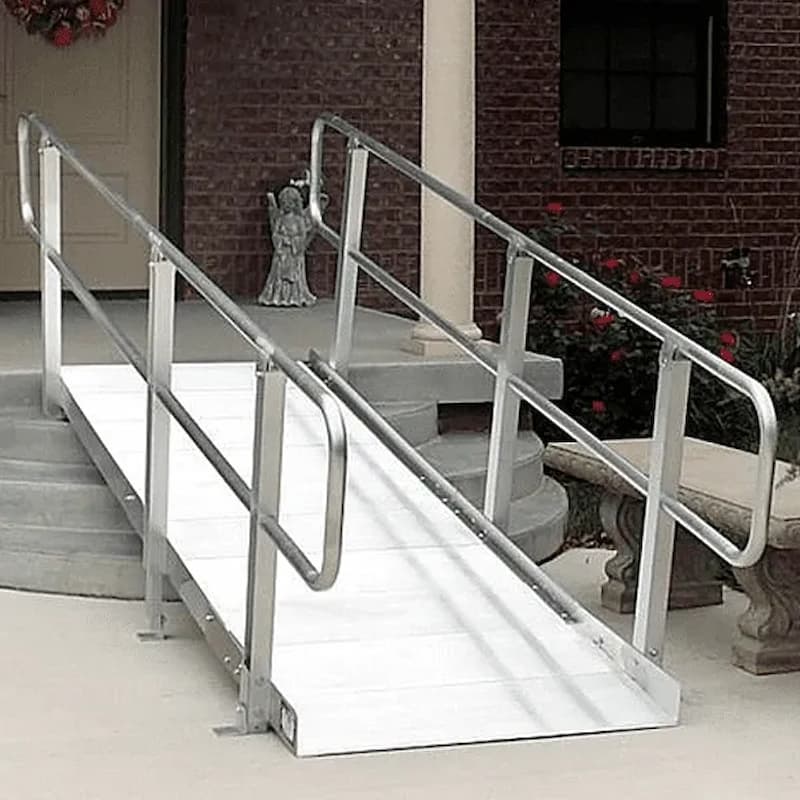
Threshold ramps are widely recognised for the improvement of accessibility within one’s home. They help reduce accidents and provide a smooth transition over door thresholds, which often has a big impact on everyday chores if not sorted properly. Specifically, a wheelchair threshold ramp is an indispensable need for wheelchair users who require the ability to navigate said height changes independently.
Safety
One of the main benefits of threshold ramps is how safe they are. They help prevent trips and falls by eliminating abrupt edges on thresholds and entrances. For people with limited mobility or balance issues, this means a reduction in the number of potentially trip-prone areas around your home. This safety feature also benefits others living in or visiting the house.
Independence
Threshold ramps promote independence in movement as they enable people to go about their homes freely and confidently without assistance. A fitting ramp can make everyday actions like entering or exiting a room simpler for individuals using walkers or wheelchairs. This level of independence significantly improves quality of life.
Versatility
These types of ramps are quite versatile as they fit a variety of openings and threshold heights. This is especially the case with the adjustable threshold ramp design as the level of flexibility allows them to be adapted to different heights and widths, so they are suitable for specific door frames. This level of unmatched versatility means they can be used in many areas of your home.
Cost-Effectiveness
Compared to more extensive home modifications, threshold ramps are a rather cost-effective solution. They are a straightforward option that improves accessibility without requiring major overhauls or expensive renovations. This is what makes them one of the most budget-friendly options.
Reliability
Being simple in design, a threshold ramp tends to be quite reliable and requires little to no repair, especially when made from durable materials. It can withstand regular use and maintain its effectiveness over time without the need for frequent replacements of parts or repairs.
Maintenance
Unlike some ramps that require professional upkeep, threshold ramps are easy to both clean and maintain and generally just require the occasional wipe down or sweep over to keep them in good working condition. This makes them practical no matter the household.
Installation
Installing an adjustable threshold ramp is usually quick and hassle-free. Many models are lightweight and portable, which makes them easy to position and remove as needed. Fixed ramps can be securely installed with little disruption to the interior, making them a more permanent solution.
How to Choose a Ramp?
Material
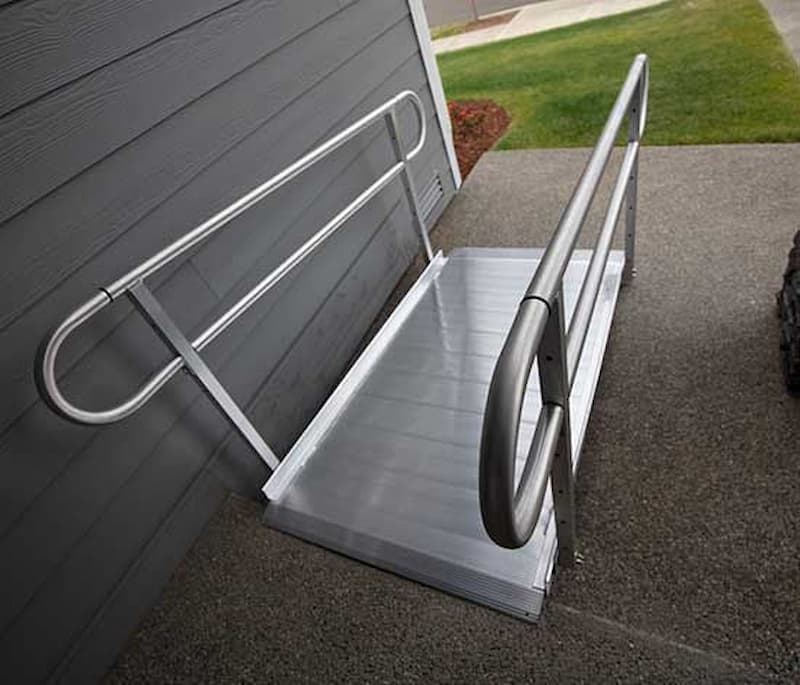
The ramp’s material is an important aspect that affects its lifespan and reliability. Common choices include aluminium, rubber and wood, with aluminium ramps being lightweight and durable. Rubber ramps offer good grip and can absorb shocks, while wooden ramps are usually custom-made to match your home’s decor for a more seamless appearance.
Size
It’s important to choose a ramp that suits the doorway or threshold. It should be wide enough to accommodate mobility devices and long enough to create a gentle, safe incline. The right size ramp ensures ease of use, and it can also greatly affect installation.
Type
You also have the choice between a portable and a fixed ramp. Portable ramps offer flexibility and can be moved easily, exactly where you need them. Fixed ramps, on the other hand, provide better stability and can handle frequent use well, making them suitable as a long-term solution.
Slope
Pay attention to the slope angle to ensure safety and ease of movement. Steeper slopes should be avoided as they make it more difficult to go over them, while gentler inclines are preferred for wheelchair users and people with limited strength or endurance since they don’t act as obstacles.
Placement
Proper placement of the ramp is critical, and it should cover the entire threshold gap. It should be securely positioned to avoid slipping, which is why good placement is key to a smooth transition.
Conclusion
Threshold specialised ramps are a practical and effective way to improve home accessibility as they enhance safety, encourage independence, and offer a more flexible, cost-effective solution that makes daily living easier for differently abled people. Whether you choose a fixed wheelchair ramp or an adjustable ramp, it will make for a priceless investment.