
7 Reasons to Use Timber Panels in Your Home

Wood has been a part of our homes ever since humans used to live in log houses and dwellings. Wood is, in fact, one of the oldest building materials, specifically timber. However, nowadays, it’s not as common to see wooden houses as the material has largely moved from the outside and nested as a form of a decades-long trend inside.
Wooden furniture pieces have been the core of almost every kitchen and living room, but less noticeable, wooden panels have also made their way into more modern homes, as well as cafes and restaurants. This has been the case with timber boards and panels, which have seen a rise in popularity in recent years.
Benefits of Timber Panels
Insulation
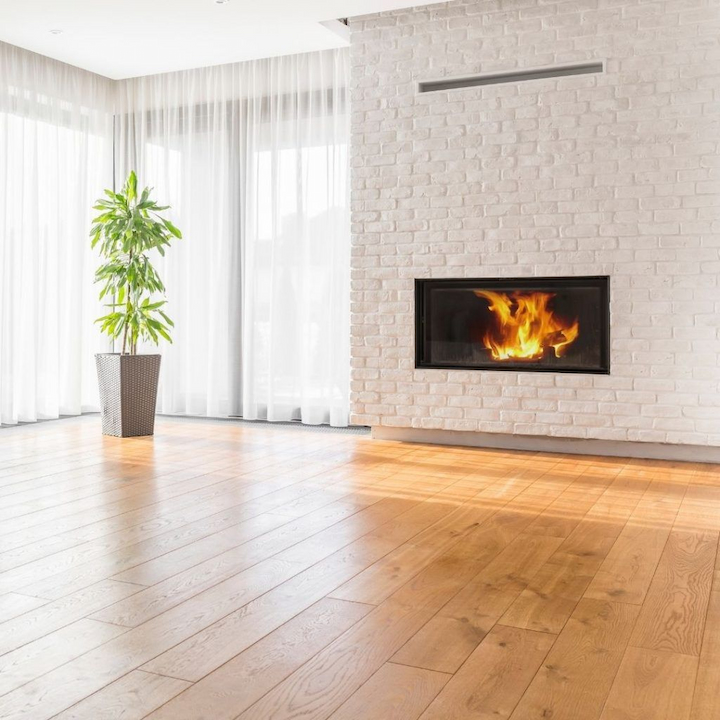
Wood, in any shape or form, can keep your home warm in the winter and cool during hot summer days and timber is no exception. In fact, it’s one of the most fitting types of wood when it comes to regulating temperature, which is why homes with large and durable timber boards on their walls are becoming more common.
Aesthetics
Another benefit that everyone seems to acknowledge straight away is how well timber panels complement and enhance the aesthetic of modern and even contemporary homes. This natural look can’t be replicated by any synthetic material, as the variation in colour and grain patterns makes timber unique yet soothing in its appearance.
Acoustics
If you want to enjoy listening to your favourite music on a Sunday morning but don’t want your new wood panels to ruin the experience, solid timber panels are an excellent choice. Timber itself is a good sound insulation material, which means it retains the sound inside the room and it doesn’t distort it while doing so.
Installation
Putting up wood panels can be tricky, but ones made of timber don’t cause as many difficulties as other types of panels. That’s because they are easy to size according to the size of your wall or deck. However, you still need a professional to do the installation as it demands the use of more specific tools.
Environment
Since this is wood we are talking about, it’s a lot more sustainable of a solution to go for a panel made of timber. Timber, like other types of wood, is biodegradable and it doesn’t pollute the environment. As long as new trees are planted quickly enough, the air you breathe isn’t affected.
Durability
Although made of wood, solid timber panels are actually quite tough. Their level of durability makes them long-lasting, as most panels can last anywhere from a couple of decades to more than 100 years if taken care of properly.
Types of Timber Panels
MDF
MDF or medium-density fireboard is a man-made type of timber board. It’s quite smooth and comes in different thicknesses. MDF is also easy to work with, as you can cut it to any shape and size without it causing any difficulties. You can use MDF for almost any indoor decorative project or on decks that are covered.
HDF
HDF or high-density fireboard, on the other hand, is the exact opposite of MDF. That’s because it’s more dense than MDF, which means it offers greater levels of strength and it has a more solid finish. This makes HDF also usable for detailed paint finishes, laminating and veneering.
OSB
With OSB or oriented strand board panels, you get an extremely durable and structurally sound solution that’s more than capable of withstanding humid climates and conditions. You can use OSB for flooring, roofing and wall sheathing, but don’t expect its appearance to make your home look more appealing.
Plywood
Plywood is a popular solution for timber panels in general and the same can be said for those made of timber. Plywood is made up of multiple layers of wood veneer and it has grains going in alternating directions. This makes it rather strong and stable, meaning it can be used for decorative purposes and to improve your home’s structural integrity.
Chipboard
If you want to not think about moisture at all, you can go for chipboard panels. These timber panels are made to be used for flooring, as most of them come covered in melamine. You can also use chipboard for shelves.
Hardboard
As its name suggests, hardboard timber is a solid solution for a foundation, be it in the form of a more appealing piece of wall art or as a floor underlay. It’s both light and inexpensive, but one drawback is that it needs to be conditioned before it’s installed, as moisture can make it swell quite badly.
Hardwood vs Softwood Boards
The main difference between hardwood and softwood boards is their level of durability. The former can take on more abuse in the form of foot traffic than the latter, which is more sustainable and more affordable.